Hurghada Travel Guide: Beaches, Diving, Desert Trips and Practical Tips
Hurghada is one of Egypt’s easiest Red Sea destinations for a relaxed beach holiday, but it is more than a resort strip. The city combines long sandy beaches, accessible coral reefs, boat trips, desert landscapes and a growing local dining scene. It is also a practical base for travellers who want sea time without giving up the option of day trips and Egyptian culture.
This Hurghada travel guide explains how to plan your stay, from choosing the right area and timing boat excursions to arranging airport transfers, managing money and staying connected. Whether you are travelling as a couple, with children, as a diver or on a first trip to Egypt, the key is to build your itinerary around the Red Sea rather than trying to treat Hurghada like a sightseeing city.
Key takeaways
Hurghada is best known for snorkelling, diving, boat trips, beaches and desert excursions.
Choose your base carefully: El Dahar feels more local, while the resort areas south of the centre are generally quieter and more self-contained.
Plan boat trips early in your stay so you have flexibility if wind or sea conditions cause a change.
The airport is close to the main resort zones, but a pre-arranged transfer is usually easier than negotiating transport after arrival.
Bring sun protection, reef-appropriate footwear and a reliable way to access maps, booking messages and translation tools.
Hurghada stretches along the Red Sea coast and is designed around access to the water. The offshore reefs make it popular with divers and snorkellers, while its large resort selection suits travellers who prefer an organised holiday with pools, restaurants and activities close at hand.
The city also works well for different travel styles. You can spend most of a week inside a resort, book daily excursions from a central hotel, or combine a few beach days with a longer Egypt itinerary. Hurghada is less atmospheric than historic cities such as Luxor or Cairo, but that is part of its appeal: the pace is slower, the days are outdoor-focused and the logistics are relatively simple.
Do not expect every beach to be a wide, uninterrupted public shoreline. Many stretches are connected to hotels or beach clubs, and the quality of access varies. Before booking, check whether your accommodation has a private beach, a jetty, shallow water for swimming or a reef suitable for snorkelling.
Best things to do in Hurghada
Snorkelling and diving
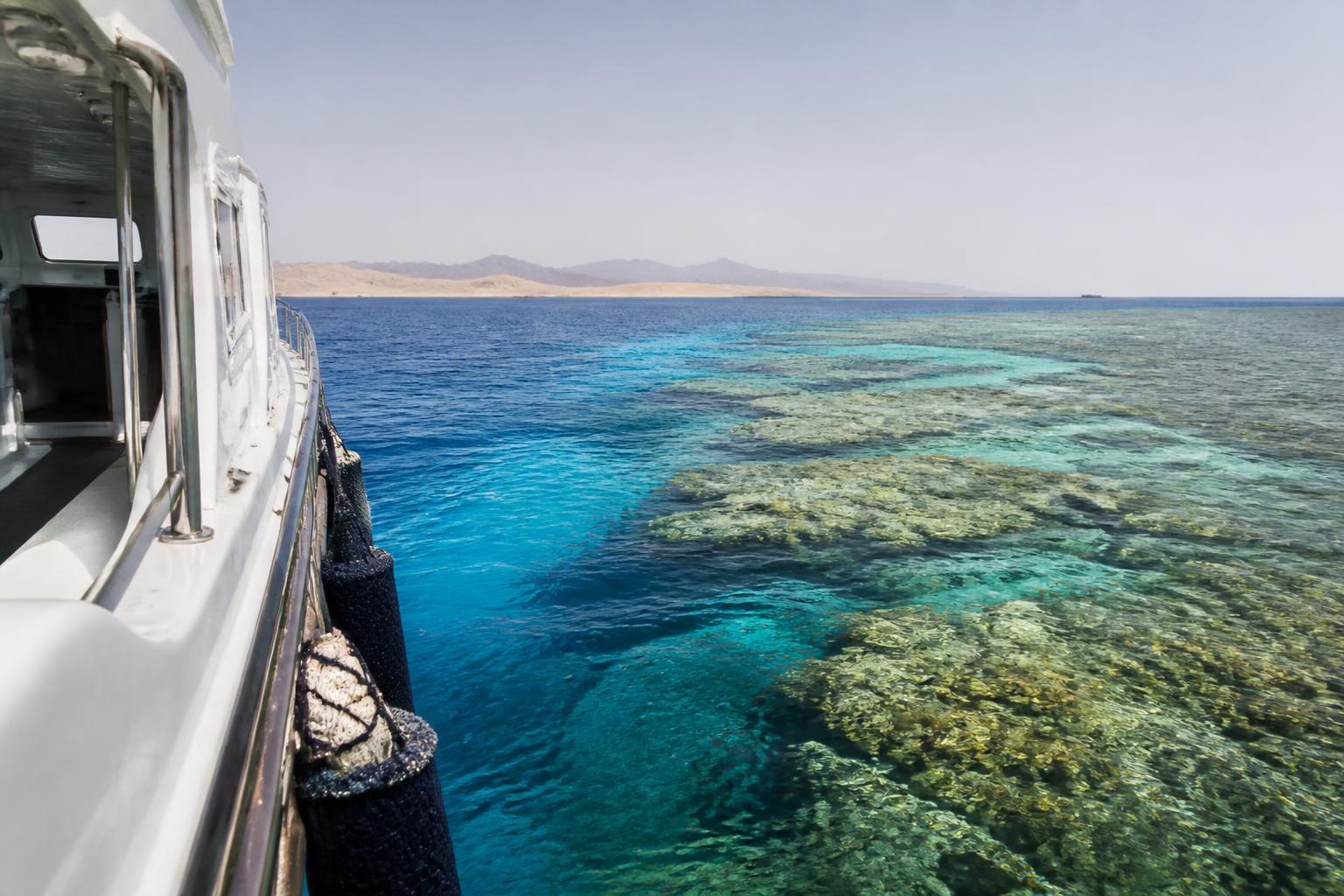
The Red Sea is Hurghada’s main attraction. Day boats visit reefs and islands where visibility can be excellent, although conditions depend on wind, currents and the season. Beginners can arrange an introductory dive with a licensed centre, while certified divers should ask about group size, equipment, pick-up arrangements and the type of sites included.
Snorkellers should not assume that every reef is safe to reach independently. Follow the crew’s instructions, use a buoyancy aid if needed and avoid standing on coral. A rash vest, reef shoes and a waterproof bag are useful additions, particularly for families and anyone sensitive to strong sun.
Boat trips and island days
Boat excursions may include snorkelling stops, lunch, swimming and time near one of the small islands or sandbanks off the coast. Compare the itinerary rather than choosing only by price. Ask how many passengers are expected, how long the boat spends at each stop, whether equipment is included and what happens if weather affects the route.
Book at least one sea day near the beginning of your stay. If a trip is postponed because of rough conditions, you will have time to reschedule. Take a light layer for the boat, even in warm weather, because the breeze can be surprisingly cool on the return journey.
Hurghada Marina and the waterfront
Hurghada Marina is a convenient place for an evening walk, a meal or a drink overlooking the water. It is more polished and visitor-oriented than the older central districts, with restaurants and cafés gathered around the marina promenade. It is a useful choice when you want an easy night without committing to a full excursion.
El Dahar and the old town
El Dahar, often described as the old town or downtown area, offers a more local view of Hurghada. You will find everyday shops, markets, simple restaurants and a busier street atmosphere than in the resort zones. It is not a preserved historic quarter in the same way as older Egyptian cities, but it helps show how the destination functions beyond the hotels.
Visit during the cooler part of the day, dress modestly and keep small notes for minor purchases. As in other busy areas, agree prices before using informal services and keep your phone and wallet secure in crowded streets.
Desert trips commonly use quad bikes, dune buggies, jeeps or camel rides, sometimes combined with a Bedouin-style dinner and a short cultural presentation. These tours can be enjoyable, but quality varies. Confirm the total duration, transport time, protective equipment, meal arrangements and whether the route involves a large convoy.
Wear closed shoes, sunglasses and clothing that covers your shoulders and legs from the sun. If you have back or neck problems, ask how much time will be spent on a quad bike or in an open vehicle before booking.
Family-friendly resort time
For families, a good Hurghada itinerary does not need to be packed with excursions. A resort with a shallow pool, shaded areas, food available throughout the day and a protected beach may be more valuable than a long list of attractions. Keep boat and desert trips short enough to suit the youngest traveller, and carry water and snacks for transfers.
Where to stay in Hurghada
Your accommodation area shapes the entire holiday. El Dahar is convenient for local shops, inexpensive food and a more everyday city experience. It can be a good fit for independent travellers who plan to eat out and arrange activities themselves.
The central resort and marina areas offer a balance between restaurants, beaches and excursion pick-ups. They are convenient for travellers who want options outside the hotel but still prefer a visitor-oriented environment.
Further south, areas such as Makadi Bay, Sahl Hasheesh and the resort developments near the airport are more self-contained. They often suit travellers looking for pools, private beaches and a quieter stay. The trade-off is that restaurants, pharmacies and independent shops may be farther away, so check transfer times before booking.
When comparing hotels, look beyond the room photographs. Check recent information about beach access, reef conditions, food arrangements, air conditioning, Wi-Fi, airport transfers and renovation work. If you want to snorkel from shore, ask whether the water is accessible directly or only via a jetty.
Best time to visit Hurghada
Hurghada is a year-round destination, but the most comfortable sightseeing and desert conditions are generally from autumn through spring. Days can be warm while evenings feel cooler, especially on the water or in the desert.
Summer brings intense heat and strong sun. It can still work well for a resort holiday, particularly if you plan swimming early and late in the day, but long desert excursions and midday walks are more demanding. Sea temperatures remain attractive, and many hotels are designed for hot-weather stays.
Winter is popular because daytime conditions are usually pleasant for outdoor activities. Pack a light jacket or long-sleeved layer for evenings, boat decks and air-conditioned transport. Before confirming a sea excursion, check the forecast and leave flexibility in your schedule for wind.
Getting to Hurghada and getting around
Hurghada International Airport serves the Red Sea resort area and receives domestic and international traffic. The airport is close to the main city and resort zones, but actual transfer time depends on your hotel’s location and traffic on the coastal road.
If you want mobile data ready before you arrive, compare our eSIM Hurghada plans and choose the plan that fits your trip.
For a first arrival, a hotel transfer or pre-booked private transfer is usually the least stressful option. Confirm the driver’s meeting point and keep the hotel address available in Arabic as well as English. Taxis and app-based options may be available in some areas, but availability and pricing can vary, particularly around resorts.
Within Hurghada, short taxi rides are common. Agree the fare before setting off if the vehicle is not metered, or confirm the price through your accommodation. Hotel shuttles can be useful for resort areas, while organised excursions normally include collection and return.
Walking is practical for short distances within one neighbourhood but less useful for moving between resort zones. Roads can be busy, and coastal developments are spread out. A map with your destination pinned offline can prevent confusion when hotel names are similar.
Food, money and typical holiday costs
Hurghada has everything from hotel buffets and international restaurants to Egyptian cafés and simple takeaway counters. Try familiar local dishes such as koshary, ful, falafel, grilled meats, rice and fresh salads, choosing busy places with good food turnover. Seafood is widely available, but ask about the price and serving size before ordering by weight.
Resort packages can make budgeting straightforward, but they may not include excursions, drinks, airport transfers or spa services. Independent travellers should allow for transport between areas, beach access, boat trips, tips and bottled water. Prices change by season and operator, so treat online listings as a starting point and confirm what is included.
Carry Egyptian pounds for small purchases, tips and local transport, while keeping a card for hotels and larger businesses. ATMs are available in tourist areas, but it is sensible to withdraw or exchange money before a boat or desert day. Keep a small amount of cash separate from your main wallet.
Safety and practical etiquette
Most visitors spend their time in organised, busy tourist areas, but normal travel precautions still matter. Use reputable diving and excursion operators, follow marine safety instructions and do not swim far from shore alone. The sea can look calm while currents and boat traffic create risks.
Heat is a more common practical problem than many travellers expect. Drink water regularly, use high-factor sunscreen, wear a hat and schedule strenuous activities outside the strongest midday sun. Avoid drinking untreated tap water if you are not accustomed to it, and carry medication in its original packaging.
Beachwear is appropriate at the beach or pool, but cover up when leaving the resort. Light, loose clothing is comfortable and respectful. Ask before photographing local people, workers or children. In markets and taxis, a calm, friendly negotiation is normal; if a price feels unreasonable, politely decline and move on.
Mobile connectivity in Hurghada
Reliable mobile data is useful in Hurghada for airport pick-up messages, maps, translation, restaurant directions, excursion confirmations and contacting your hotel. Resort Wi-Fi can be adequate in common areas but may be slower or less consistent in rooms, so do not rely on it for every task.
An eSIM can be convenient if your phone supports it and is unlocked. You can arrange data before departure and activate it on arrival without removing your primary SIM. Check device compatibility, data validity, activation instructions and whether the plan uses local Egyptian networks. If your phone is not eSIM-compatible, a local physical SIM remains an alternative, usually requiring identification and a visit to a recognised provider.
Download your hotel address, booking confirmations and offline maps before leaving the airport. Keep your main number active if you need bank messages or family calls, but review roaming settings carefully to avoid unexpected charges. A portable charger is especially useful on full-day boat and desert excursions.
A practical three-day itinerary
Day one: settle in and explore locally
Arrive, check in and keep the first afternoon flexible. Use the time to learn the route from your hotel to the beach, confirm an excursion and visit the marina or a nearby restaurant in the evening. If you arrive late, avoid scheduling a demanding trip the next morning.
Day two: spend the day on the Red Sea
Book a snorkelling or diving boat trip, allowing extra time for hotel pick-up and return. Follow the crew’s safety guidance and protect your phone, cash and travel documents from spray. Have a quiet evening after the trip rather than planning another long transfer.
Day three: choose between the desert and the old town
Take a desert excursion if you want an active day, or explore El Dahar and spend more time at your hotel beach if you prefer a slower pace. End the day with dinner near the marina or in your resort area. Travellers with more time can add another sea day, which is often more rewarding than filling every day with road transfers.
Frequently asked questions
How many days do you need in Hurghada?
Three to five days works well for most visitors. This allows time for a boat trip, a beach day, a desert or local outing and some flexibility for weather. Divers may want a longer stay to schedule several days on the water.
Is Hurghada suitable for a first trip to Egypt?
Yes. Resort logistics are relatively straightforward, and organised activities make it easy to experience the Red Sea. If you also want major ancient sites, combine Hurghada with Cairo or Luxor rather than expecting the city itself to provide the same historic sightseeing.
Can you visit Luxor from Hurghada?
Day trips are offered, but the journey can make for a long day. Compare the travel time, departure hour and included sights before booking. Travellers who want a deeper Luxor experience may prefer staying overnight rather than returning to Hurghada the same day.
Is Hurghada good for snorkelling without diving?
Yes. Boat trips offer access to reefs for non-divers, and some hotels have house reefs or jetties. Ask about water access and current conditions, and use a life jacket or flotation aid if you are not a confident swimmer.
What should you pack for Hurghada?
Pack light clothing, swimwear, a sun hat, high-factor sunscreen, sunglasses, reef shoes, a light evening layer and a waterproof pouch. Add modest clothing for markets and local neighbourhoods, plus medication, a reusable water bottle and a portable charger.
Hurghada is easiest to enjoy when you leave room for the sea, the weather and your own pace. Choose accommodation that matches how independently you want to travel, schedule your main boat trip early, and treat sun protection and connectivity as part of the planning rather than afterthoughts.
How to Travel from Cairo to Luxor: Trains, Flights, Buses and Practical Tips
Travelling from Cairo to Luxor connects two very different parts of an Egypt itinerary. Cairo is the place for the Pyramids, museums and historic neighbourhoods, while Luxor offers the temples, tombs and landscapes of ancient Thebes. The distance is roughly 650 kilometres by road, so choosing the right transport can make a noticeable difference to your time, budget and energy.
Most independent travellers choose between a train and a domestic flight. Trains are usually the more practical and atmospheric option, particularly for overnight travel. Flying is much faster, although airport transfers and check-in add time to the short flight itself. Buses and private cars have their uses, while a Nile cruise is better viewed as a multi-day experience than a simple transfer.
Your choice largely depends on whether you value time, price, sleep or flexibility. A train leaves you in central Luxor, while a flight requires airport transfers at both ends. A bus may be cheaper but can involve a longer road journey, and a private car gives you control over stops at a higher cost.
Option
Typical experience
Best suited to
Train
Long-distance rail journey with daytime and overnight services
Independent travellers and those watching costs
Flight
Short domestic flight plus airport procedures and transfers
Short itineraries and time-sensitive plans
Bus
Long road journey with operator-dependent stops and comfort
Travellers comparing budget options
Private transfer
Door-to-door travel with possible scheduled stops
Families, groups and customised routes
Nile cruise
Multi-day river journey with sightseeing along the Nile
Travellers making the journey part of the holiday
If this is your first visit, it can help to plan the transport alongside your sightseeing rather than treating it as an isolated booking. The 7-day Egypt itinerary covering Cairo, Luxor and Aswan shows how the route can fit into a short trip without packing every day too tightly.
The train is the classic Cairo to Luxor connection. Most services leave from Ramses Railway Station in central Cairo and arrive at Luxor Railway Station, which is also relatively central. The journey is long, but it avoids airport transfers and gives you a direct arrival near the East Bank’s hotels, restaurants and attractions.
Day trains
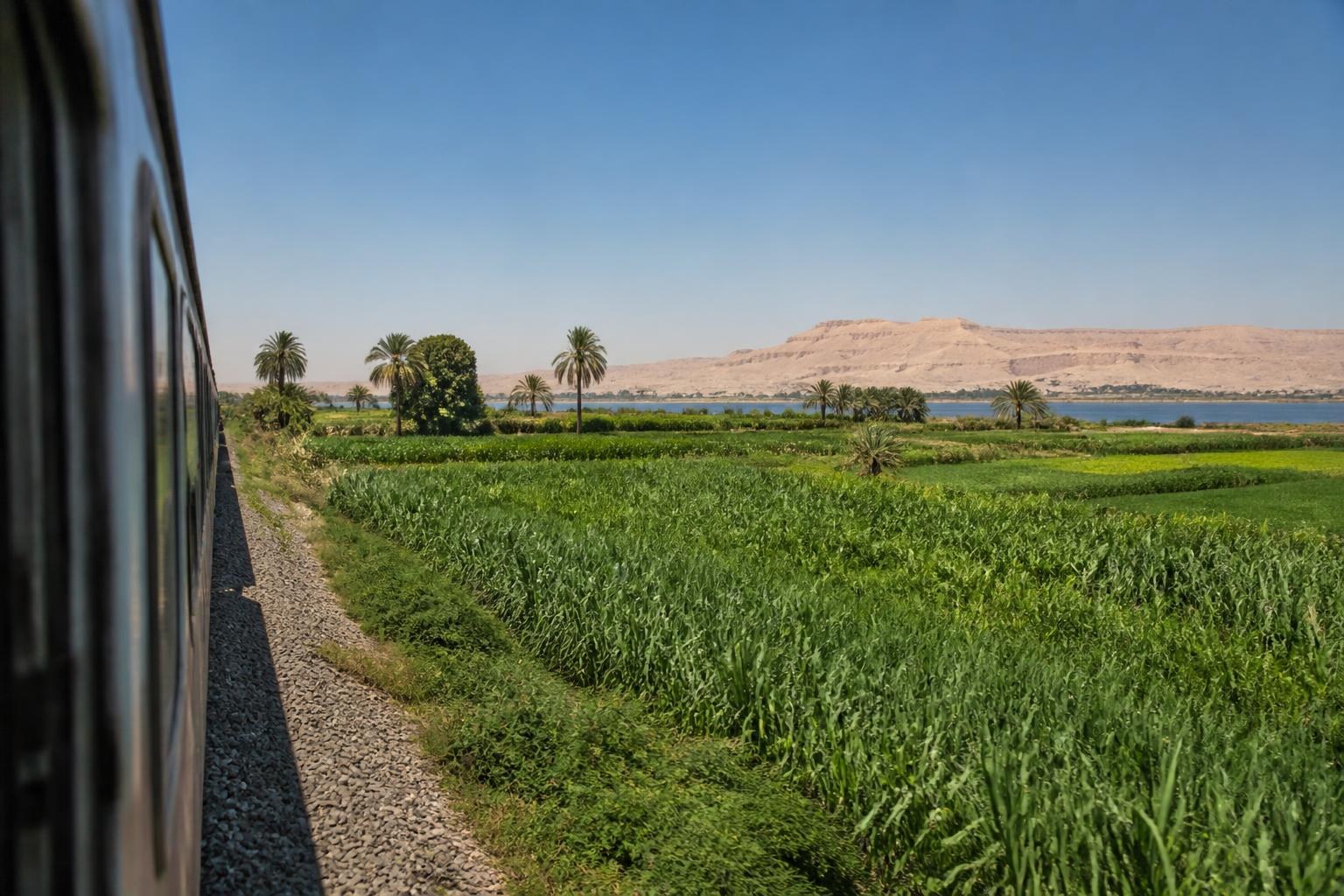
Daytime services commonly take around nine to twelve hours, depending on the train and timetable. The route passes through the Nile Valley, with farmland, towns and desert landscapes visible from the window. It is a good option if you want to travel during daylight and arrive with a normal night’s sleep behind you.
Comfort varies between services and classes. Take water, snacks, tissues, headphones, medication and a light layer because air-conditioned carriages can feel cool. Do not assume that onboard food, clean facilities or reliable power sockets will be available throughout the journey. Keep your valuables and important documents in a small personal bag.
Overnight trains
An overnight departure can save a hotel night and preserve a daytime sightseeing period. The trade-off is that sleep quality varies. Noise, movement, cabin temperature and the standard of the berth may not suit every traveller, so read the current accommodation details carefully before paying.
Confirm whether your ticket is for a sleeping compartment or a seated service. Check the departure station, boarding time, luggage conditions and whether meals are included. Keep your passport, phone, money, medication and other essentials with you rather than leaving them in a large bag away from your berth.
Buying tickets and using the stations
Use the current Egyptian National Railways information and booking channels to check departures, classes and ticket availability. Booking windows and eligibility rules can change, and popular overnight services may sell out during busy periods. Allow extra time at Ramses Station if you have not used it before or are carrying large luggage.
At the Luxor end, confirm whether your accommodation is on the East Bank or West Bank before leaving the station. The West Bank is across the Nile, so a hotel there may require a taxi and a river crossing. If you arrive late, ask your accommodation to arrange or recommend a pickup rather than negotiating while tired.
Flying from Cairo to Luxor
Flying is normally the quickest way to cover the distance. Domestic flights leave from Cairo International Airport and arrive at Luxor International Airport. The flight itself is short compared with the train, but the complete journey also includes Cairo traffic, airport check-in, security, baggage collection and the transfer from Luxor airport to your hotel.
For a morning departure, leave central Cairo or Giza with a generous margin. Traffic can be unpredictable, and the airport is not close to the city’s main tourist areas. Check your terminal and baggage conditions before leaving your hotel, particularly if you are travelling with checked luggage.
Luxor International Airport is outside the central sightseeing areas. Arrange a hotel pickup, pre-booked transfer or reputable taxi before arrival if possible. Flying often makes sense when you have only two or three days in Luxor, are connecting with another flight or do not sleep well on overnight trains. It may be less attractive when the fare is high or when your hotel is close to Ramses Station.
Compare the door-to-door cost, not just the advertised airfare. Add transport to Cairo airport, any baggage fee, the transfer from Luxor airport and the value of the time saved.
Buses and private transfers
Bus travel
Long-distance buses can be another way to travel between Cairo and Luxor, but the details are more operator-dependent than they are for the main rail connection. Departure terminals may be outside the area where you are staying, and a journey can occupy much of a day or night.
Before booking, confirm the departure location, whether the service is direct, the expected duration, luggage allowance and the number of stops. Keep valuables with you and avoid arranging an important tour immediately after an overnight bus. If comfort is important, compare the vehicle type and seat layout rather than choosing only by price.
Private car or driver
A private transfer costs more than public transport but can be valuable for families, groups and travellers who want door-to-door service. It also makes it possible to agree on breaks or carefully chosen stops in advance. The road journey is long, and the final duration depends on traffic, rest stops, checkpoints and the route used.
Book through a reputable hotel, established tour company or provider with clear recent reviews. Before departure, confirm the vehicle, pickup address, destination, approximate duration, included stops and payment terms. A very low quote may exclude waiting time, entrance stops or luggage arrangements.
Using a Nile cruise as part of the journey
A Nile cruise is not usually a simple Cairo-to-Luxor transfer. Most conventional cruises operate between Luxor and Aswan, so travellers normally reach Luxor separately, spend time there and then board a cruise for the downstream or upstream itinerary.
This can be an excellent choice if you want accommodation, meals and guided visits combined with a river journey. It is less suitable if you have a tight schedule or want to choose every sightseeing stop independently. Check the embarkation point, sailing date, cabin arrangements, included excursions and hotel nights before booking. Cruise itineraries vary, and the advertised number of nights does not always describe the full time needed for transfers.
If you want mobile data ready before you arrive, compare our eSIM Egypt plans and choose the plan that fits your trip.
Choosing the best option for your trip
If you have limited time
Choose a flight when the fare is reasonable and the airport schedule fits your itinerary. You will gain hours compared with a train, but leave enough space after landing for luggage and the transfer to your hotel. Avoid booking a tightly timed West Bank tour immediately after arrival.
If you want to save money
Compare a standard train with an overnight service. A daytime seat is often the simplest value option, while a sleeper may combine transport and accommodation. Check the actual fare, comfort and arrival time rather than assuming the cheapest ticket is the best deal.
If you are travelling solo
A train is often easier to organise alone than a long private road transfer. Save your booking, station details and hotel address offline. If you arrive at night, arrange onward transport in advance and keep your luggage compact enough to manage without assistance.
If you are travelling with children or heavy luggage
A private transfer reduces station changes and carrying bags, while a flight shortens the main journey. On a train, choose accommodation or seating that keeps your luggage close and bring enough food, water and entertainment for the full trip.
How to plan the journey smoothly
Transport is easier when your Luxor plans reflect the time and location of your arrival. The East Bank is convenient for Luxor Temple, Karnak Temple, the Luxor Museum and many hotels. The West Bank is closer to the Valley of the Kings, Hatshepsut’s Temple and other archaeological sites, but you need to cross the Nile for East Bank activities.
Check the current schedule. Verify rail, flight or bus details through the relevant operator before paying, especially around public holidays and busy travel periods.
Allow a realistic buffer. Do not schedule a prepaid tour, airport connection or return journey immediately after your expected arrival.
Save key information offline. Keep your booking, hotel address, passport details and transfer instructions on your phone, with screenshots available if data fails.
Pack for a long travel day. Carry water, snacks, sun protection, medication, tissues, a power bank and a light layer. Keep valuables in a small personal bag.
Plan your first evening gently. After an overnight train or long road journey, check in and rest before attempting a full day of temples and tombs.
For broader arrival, transport and neighbourhood advice before leaving Cairo, see this practical Cairo travel guide. It can help you decide whether to stay near Ramses Station, the airport or another part of the city before your departure.
Mobile data is useful for checking schedule updates, locating a station, translating messages and contacting your accommodation. Coverage can vary during long stretches outside urban areas, so download maps and booking details before leaving Cairo. A charged power bank is more useful than relying on a train or airport socket.
If your phone supports eSIM technology, you can arrange an Egypt eSIM before travelling and connect soon after landing. Check that your phone is unlocked and eSIM-compatible. The Egypt eSIM guide explains activation, compatibility and when a physical local SIM may be a better choice.
Save the Arabic and English names of your hotel, station and airport. Keep your normal SIM somewhere safe if you remove it, and remember that an eSIM does not replace the need for offline information when signal or battery is limited.
Arriving in Luxor and starting sightseeing
Luxor’s attractions are divided between the East and West Banks. On the East Bank, Luxor Temple, Karnak Temple, the Luxor Museum and many restaurants are relatively easy to combine. On the West Bank, the Valley of the Kings, Valley of the Queens and Hatshepsut’s Temple are spread across a larger area and are usually visited with a driver, guide or organised tour.
After a long train, bus or road journey, avoid trying to cover both banks immediately unless you have plenty of energy. Check in, eat, rest and begin with a nearby attraction. Start early for open-air archaeological sites, especially in warmer months, and carry water, sun protection and comfortable footwear.
Ask your accommodation about current ticket arrangements, transport and guide recommendations. If you are using a taxi or private driver, agree on the destination and price before setting off. For wider preparation, the site’s Egypt travel safety advice covers common transport and practical issues without treating every journey as the same.
Frequently asked questions
What is the best way to travel from Cairo to Luxor?
For many travellers, the train offers the best balance of price, simplicity and central arrival. Flying is better when time matters most, while a private transfer suits groups or customised routes.
How long does the train from Cairo to Luxor take?
Journey times vary by service, but daytime trains commonly take roughly nine to twelve hours. Check the current Egyptian National Railways schedule because departure times and service patterns can change.
Is flying from Cairo to Luxor worth it?
It can be worthwhile for a short trip or when you want to maximise sightseeing time. Compare the complete door-to-door journey, including Cairo traffic, airport procedures, baggage and the transfer from Luxor airport.
Should I book Cairo to Luxor transport in advance?
Advance booking is sensible for flights, overnight trains and organised private transfers, particularly during busy seasons. Confirm the departure point and current ticket conditions, and keep some flexibility if your Cairo plans may change.
Should I stay on the East Bank or West Bank in Luxor?
The East Bank is convenient for the railway station, Luxor Temple, Karnak and restaurants. The West Bank is quieter and closer to the major tombs and temples. Your choice depends on whether you prioritise evening convenience or early access to West Bank sites.
Best Things to Do in Cairo: A Practical First-Time Visitor Guide
Cairo is a city of extraordinary contrasts. Ancient monuments stand beside busy roads, quiet mosque courtyards open onto crowded markets, and a short taxi ride can take you from the Pyramids of Giza to contemporary cafés along the Nile. The scale and energy can feel overwhelming at first, but with a sensible plan, Cairo becomes one of the most rewarding cities to explore in Egypt.
The best things to do in Cairo are spread across several areas, so it helps to group sights by location rather than trying to see everything in one day. You can devote one day to Giza, another to central Cairo and the Egyptian Museum, and a third to Islamic Cairo and the market streets around Khan el-Khalili. This guide explains what is worth prioritising, how to organise your time and what to expect on the ground.
No list of things to do in Cairo is complete without the Giza Plateau. Although the pyramids are technically on the western edge of Greater Cairo, they are the city’s defining sight and should be treated as a separate half-day visit.
The Great Pyramid of Khufu is the largest of the three main pyramids. The Pyramid of Khafre still retains part of its outer casing near the top, while the smaller Pyramid of Menkaure completes the main group. The Sphinx stands nearby, but the plateau is larger than many first-time visitors expect. Allow several hours if you want to walk between viewpoints, visit the interiors where available and take time for photographs.
Start as early as practical. Morning visits are generally more comfortable, with softer light and less intense heat, although the exact experience depends on the season and visitor numbers. Wear comfortable shoes, bring water and be cautious about unsolicited offers of rides, guiding or photography. If you want to enter a pyramid or visit specific areas, check the current ticket arrangements before travelling because access and opening details can change.
2. Visit Cairo’s Egyptian museums
Museums are among the most rewarding things to do in Cairo, particularly if you visit the monuments before seeing the objects removed from their original settings. The Egyptian Museum in Tahrir Square remains an important stop for its historic collection and central location. Its galleries contain a broad range of objects from ancient Egyptian history, including statues, funerary material and royal treasures.
The Grand Egyptian Museum has become another major point of interest near the Giza area, but visitors should check its current opening arrangements, ticket requirements and collection access before building a day around it. Museum displays and visitor services can develop over time, so relying on old travel posts may lead to an inaccurate plan.
Do not try to read every label. Instead, choose a few themes that interest you: royal power, daily life, burial practices or ancient writing. A guide or a well-researched audio guide can make the collections much easier to understand, especially if this is your first introduction to ancient Egyptian history.
3. Walk through Historic Cairo
Historic Cairo is not a single attraction but a dense area of mosques, mausoleums, gates, streets and traditional buildings. UNESCO recognises the area as a World Heritage site, and it is one of the best places in the city to experience Cairo’s architectural history beyond the pyramids.
Begin with a small number of landmarks rather than attempting to cover every building. The Mosque-Madrassa of Sultan Hassan and the Mosque of Al-Rifa’i stand opposite one another and make a memorable pairing. Nearby, Ibn Tulun Mosque is known for its spacious courtyard and distinctive minaret. The former city gates, including Bab Zuweila, also help explain how medieval Cairo was organised.
Religious buildings remain active places of worship. Dress modestly, remove your shoes when required and ask before photographing people or prayer areas. The streets can be uneven and dusty, so practical footwear is more useful than formal clothing. Consider visiting with a local guide if you want historical context; otherwise, research a short walking route in advance and leave time to pause.
4. Explore Khan el-Khalili and Al-Muizz Street
Khan el-Khalili is Cairo’s best-known traditional market district and a lively place to browse after visiting nearby historic monuments. Its narrow lanes are filled with jewellery, metalwork, lamps, spices, souvenirs and cafés. The market is enjoyable when treated as an atmosphere-led walk rather than a checklist of shops.
Al-Muizz Street runs through one of the city’s richest concentrations of medieval architecture. You can combine it with Khan el-Khalili, but allow more time than you might expect: the route includes mosques, historic houses and shop-lined lanes, and the experience changes throughout the day.
Bargaining is common in many market stalls, although it is not necessary in every shop. Decide what an item is worth to you, keep the exchange friendly and do not feel pressured to buy. Keep your valuables secure in crowded areas, and agree on prices for drinks, snacks or services before ordering when no menu is displayed.
5. Visit the Citadel of Saladin
The Citadel of Saladin occupies a hill overlooking Cairo and provides one of the city’s most useful elevated views. It was a centre of political and military power for centuries, and its walls and courtyards contain several important mosques and museums.
The Mosque of Muhammad Ali is the best-known building inside the complex, with a striking Ottoman-style interior and large domes visible from many parts of Cairo. The Citadel is also a practical way to connect several Historic Cairo sights in one outing, although the hill and open courtyards can feel hot in the middle of the day.
Check the entry rules and opening times before setting out. Give yourself time to move between buildings rather than treating the visit as a quick viewpoint stop. A late afternoon visit can be pleasant when temperatures are lower, but make sure you have enough daylight for the rest of your route.
6. Enjoy the Nile and Cairo’s neighbourhoods
The Nile offers a change of pace after Cairo’s museums and historic streets. A simple walk along the river can be enough, particularly around central waterfront areas and Zamalek. Short felucca trips are another traditional option, while larger dinner cruises provide a more organised evening experience. Compare what is included before boarding, as the atmosphere and quality vary.
Zamalek is one of the easiest areas for visitors to explore on foot, with restaurants, cafés, galleries and quieter residential streets. Downtown Cairo is useful for central museums, older architecture and access to transport, while Garden City has a more spacious riverside character. Giza is convenient for pyramid visits but can be less practical for exploring central Cairo every day.
If you want mobile data ready before you arrive, compare our eSIM Egypt plans and choose the plan that fits your trip.
You do not need to visit every neighbourhood. Choose a base that matches your priorities and use the river or major roads as orientation points. Traffic can be unpredictable, especially at busy times, so allow generous margins for airport transfers, timed tickets and train connections.
7. Try Cairo’s food and evening atmosphere
Eating is one of the simplest ways to experience everyday Cairo. Look for koshari, a filling combination of rice, pasta, lentils, chickpeas and tomato sauce; ful and ta’ameya, commonly eaten for breakfast; grilled meats; falafel made with fava beans; and local desserts such as basbousa or konafa.
For a first meal, choose a busy restaurant with strong local traffic and clear prices. Street food can be excellent, but use normal travel judgment: favour places where food is cooked frequently, served hot and handled cleanly. Bottled water is the easiest choice if you are unsure about local water or your stomach is adjusting.
Cairo often becomes more animated after sunset, especially around markets, cafés and the Nile. Keep your evening plans flexible, use reputable transport and remember that a relaxed café stop can be more enjoyable than adding another formal attraction to an already crowded day.
8. Practical tips for planning Cairo sightseeing
Group sights by area
Plan Giza separately from Historic Cairo and central Cairo. Crossing the city several times in one day can waste hours in traffic and leave little energy for sightseeing.
Carry essentials
Bring water, sun protection, comfortable shoes, tissues and small denominations of Egyptian currency. Some smaller stalls, cafés or service providers may not accept cards. Keep a digital copy of key documents and avoid carrying more cash than you need for the day.
Light, breathable clothing is useful for outdoor sightseeing, but shoulders and knees should be covered when visiting mosques and other religious sites. A scarf or light overshirt can be practical for adjusting to different settings.
Plan your connectivity
Mobile data is useful for maps, translation, ride-hailing, checking museum information and contacting accommodation. Before arrival, confirm that your phone is unlocked and compatible with eSIM technology if you plan to use an eSIM. Keep an offline map and important addresses as a backup, since signal quality and battery life are not guaranteed everywhere.
Be polite but firm
Tourist areas attract guides, drivers and vendors offering help. A clear, friendly “no, thank you” is usually enough. Agree on prices and destinations before accepting a service, and use official ticket offices or trusted accommodation staff when arranging visits.
9. Sample one-, two- and three-day itineraries
One day in Cairo
Choose the Pyramids of Giza in the morning, followed by a relaxed lunch and either the Egyptian Museum in Tahrir or an evening around the Nile. This is busy but achievable if you avoid adding Historic Cairo to the same day.
Two days in Cairo
Spend day one at Giza and the nearby museum area. On day two, visit the Egyptian Museum, the Citadel and a carefully chosen route through Historic Cairo, finishing around Khan el-Khalili. Adjust the order according to opening times and heat.
Three days in Cairo
Use the third day for a slower exploration of Islamic Cairo, a longer museum visit, a neighbourhood walk in Zamalek or a Nile boat trip. This extra day makes the city considerably less rushed and gives you room to change plans if traffic, weather or tiredness intervenes.
10. Frequently asked questions
How many days do I need in Cairo?
Two full days cover the main highlights at a reasonable pace. Three days are better if you want time for museums, Historic Cairo, neighbourhood walks and an evening on the Nile without rushing between areas.
What are the best things to do in Cairo at night?
Explore Khan el-Khalili, have dinner in a lively local restaurant, walk or sit beside the Nile, or take a short boat trip. Choose well-trafficked areas and arrange your return transport in advance.
Can I visit the Pyramids and Cairo’s historic centre in one day?
It is possible, but it usually makes for a tiring day. Giza deserves several hours, and traffic between Giza and Historic Cairo can be slow. If combining them is unavoidable, choose only one or two historic sights rather than attempting a full walking route.
Is Cairo walkable for visitors?
Some districts are enjoyable on foot, especially parts of Zamalek, Downtown Cairo, Khan el-Khalili and Historic Cairo. The city as a whole is too spread out and traffic-heavy to explore entirely by walking, so combine short walks with taxis or ride-hailing.
What should I wear when sightseeing in Cairo?
Choose cool, comfortable clothing that covers the shoulders and knees when possible. For mosques, carry clothing that provides additional coverage and be prepared to remove your shoes where requested.
11. Recommended internal reading
Egypt eSIM Guide: How to Stay Connected While Traveling
Cairo Travel Guide: Attractions, Areas and Practical Tips
Visiting the Pyramids of Giza: A Complete Visitor Guide
Cairo Airport to the City: Transport Options and Costs
Is Egypt Safe to Visit? Current Travel Safety Advice
The Best 7-Day Egypt Itinerary: Cairo, Luxor and Aswan
Cairo rewards curiosity more than speed. Prioritise the sights that matter most to you, leave room for traffic and unexpected discoveries, and treat each neighbourhood as a different part of the city rather than trying to reduce Cairo to a single checklist.
Egypt eSIM Guide: How to Stay Connected While Traveling
Reliable mobile data makes an Egypt trip considerably easier. You can use maps to find a hotel in Cairo, message a driver after landing, check train information, translate a menu or contact your accommodation when plans change. An Egypt eSIM can provide that connection without requiring you to remove your regular SIM card.
Egypt now supports eSIM technology, but the best option depends on your phone, travel style, destination and how much data you expect to use. A short city break in Cairo has different needs from a two-week itinerary that includes Luxor, Aswan, Dahab and the Red Sea coast. This guide explains what to check before departure and how to avoid common connectivity problems.
An eSIM is an electronic SIM profile that is downloaded to your phone rather than inserted as a plastic card. Once installed, it connects to a participating mobile network in much the same way as a traditional SIM. Your phone may allow more than one line to be stored, although the number of active lines depends on the device.
For travelers, the main advantage is convenience. You can arrange data before flying, avoid searching for a shop immediately after landing and keep your normal SIM in place. This is particularly useful if your bank, work or family contacts still use your usual number.
There are two broad ways to obtain eSIM service in Egypt. You may buy a travel data plan intended for visitors, or obtain an eSIM profile directly from an Egyptian mobile operator when that service is available for your situation. Plans, identity requirements, network access, voice calling and activation procedures vary, so read the terms carefully rather than assuming every eSIM works the same way.
Egypt’s telecom regulator, the National Telecom Regulatory Authority, has announced the introduction of eSIM technology in the Egyptian market. Operator procedures and availability can change, so use current official information when checking a local option.
Check phone compatibility before you buy
Compatibility is the most important pre-purchase check. An eSIM plan cannot make an incompatible phone connect to a network. Confirm the following points at least several days before your flight:
Does the phone support eSIM?
Look in the phone’s mobile or cellular settings for an option such as “Add eSIM” or “Add mobile plan.” You can also check the exact model number on the manufacturer’s support page. Do not rely only on the name of the phone: some country-specific versions, older models and carrier variants do not include eSIM functionality.
A carrier-locked phone may reject an Egyptian line even if it has eSIM hardware. Ask your current provider to confirm that the device is unlocked for use with another network. This is separate from having an active roaming plan.
Does the plan suit the device?
Check whether the plan supports your operating system and whether it is data-only. Some travel eSIMs do not provide an Egyptian phone number, SMS or ordinary voice calls. That is usually fine for messaging apps, maps and online bookings, but it matters if a hotel, tour company or driver needs to call you directly.
Before buying, also check how long the validity period lasts and when it starts. Some plans begin when installed, while others begin only when the eSIM first connects to a supported network. Installing it too early can shorten the useful period on certain plans.
How to choose the right plan
Estimate your usage based on your itinerary rather than choosing the largest package automatically. Light users who mainly use messaging, maps and occasional searches may need far less data than travelers who upload video, join work calls or use their phone as a hotspot.
Short city break: navigation, messaging and bookings are the main uses. A modest data allowance may be enough if you use hotel Wi-Fi for large downloads.
Nile Valley itinerary: Cairo, Luxor and Aswan involve frequent map checks, transport coordination and sightseeing research. Choose enough data for several travel days and avoid relying entirely on public Wi-Fi.
Beach or diving holiday: Hurghada, Sharm El Sheikh, Dahab and Marsa Alam generally work well for ordinary mobile use in populated areas, but your hotel location and excursions can affect the signal.
Long or work-focused trip: Look for a longer validity period, generous data allowance and hotspot support. Video calls and cloud backups can consume data quickly.
Read the fair-use and hotspot rules. “Unlimited” may include speed reductions after a threshold, and some plans restrict tethering. Also check whether the plan covers only Egypt or includes additional countries you do not need. A local plan may be more suitable if you require a local number, frequent voice calls or service beyond the validity of a short travel package.
How to install and activate an Egypt eSIM
Install the eSIM while connected to dependable Wi-Fi, ideally before leaving home or at your hotel after arrival. Keep the QR code, activation instructions and customer-support details accessible on another device or in an offline document.
Buy the plan using the provider’s current instructions and receive the QR code or manual activation details.
Open your phone’s cellular settings and choose the option to add a new eSIM or mobile plan.
Scan the QR code, or enter the activation details manually if scanning is not possible.
Label the line clearly, such as “Egypt,” so you do not confuse it with your home line.
Keep your home line enabled if you need incoming texts, but select the Egypt eSIM for mobile data.
Turn on data roaming only for the Egypt eSIM if the provider specifically requires it. Avoid enabling roaming on your home line unless you understand its charges.
Restart the phone if the new line does not appear immediately, then test data with Wi-Fi turned off.
Do not delete your home eSIM or physical SIM during setup. You may need it for two-factor authentication, banking messages or a return journey. If your phone asks which line should handle calls, texts or data, review each setting rather than accepting every default.
Using your eSIM on arrival in Egypt
After landing, allow a few minutes for the phone to register on a local network. Confirm that the Egypt line is selected for data and that the network indicator appears. Open a simple webpage or messaging app before leaving the airport so you know the connection works.
Save your accommodation address in Arabic as well as English. This can help when speaking with a taxi driver or asking for directions. It is also sensible to save your hotel’s phone number, airport transfer details and any booked tour information offline. If your data is not working, airport Wi-Fi or hotel Wi-Fi can give you enough access to complete troubleshooting.
If you want mobile data ready before you arrive, compare our eSIM Egypt plans and choose the plan that fits your trip.
Keep an eye on which line is being used for data. Dual-SIM phones can switch lines automatically in some circumstances, especially if one connection appears weak. Disable automatic data switching if your phone offers that setting and you want to prevent accidental roaming charges on your home SIM.
Coverage and connectivity across Egypt
Mobile service is generally strongest in cities, along major roads and in established resort areas. Cairo and Giza usually offer the most dependable connectivity, while Luxor, Aswan, Hurghada, Sharm El Sheikh, Dahab and Marsa Alam have practical coverage in populated areas. Performance can vary between hotels, neighborhoods and network providers.
Expect weaker or no service during some desert excursions, on isolated stretches of road and in parts of mountainous Sinai. A boat journey on the Nile may also produce changing signal strength. If you are heading into the Western Desert, a canyon, a remote safari area or an offshore diving location, tell someone your plans and do not treat mobile data as an emergency communication system.
Coverage maps are useful but not absolute. Buildings, weather, network congestion and the exact location of a hotel can make a noticeable difference. Download maps and important reservations before a long transfer, and carry the address of your next accommodation in an accessible format.
Egypt eSIM or physical SIM?
An Egypt eSIM is usually best when convenience, a quick arrival and keeping your existing number matter most. You can arrange it in advance and switch data lines without handling a tiny card. It is also a good fit for travelers who need data for a defined period and do most communication through internet-based apps.
A physical SIM may be preferable if your phone does not support eSIM, you need a local number for regular calls or you are staying long enough to compare local packages. Buying from an official operator shop can also provide in-person help with registration and setup. Bring your passport if identification is required, and keep the original SIM somewhere secure after removal.
Price is not the only comparison. Consider the data allowance, validity, network access, voice and SMS support, hotspot rules, top-up options and customer service. A cheap plan that expires quickly or cannot be topped up may be less convenient than a slightly more expensive option that matches your itinerary.
Troubleshooting common problems
The eSIM will not install
Check that you have a stable Wi-Fi connection, the QR code has not already been used and the phone has enough available eSIM capacity. Confirm that the device is unlocked and that you are following instructions for the correct operating system. If the QR code was displayed on the same phone, request manual activation details or display it on another screen.
The eSIM installed but has no data
Make sure the line is turned on and selected for mobile data. Check whether data roaming is required by the plan, then restart the phone. If the network selection is set to manual, return it to automatic unless the provider gives different instructions. Do not change APN settings randomly; use only the values supplied by the provider.
The connection is slow or disappears
Move outdoors or closer to a window, switch airplane mode on and off, and allow the phone to select a network automatically. Congestion, a weak indoor signal or a remote location may be the cause rather than a faulty eSIM. Check the plan’s remaining data and any speed limits before contacting support.
You cannot receive verification texts
A data-only eSIM normally cannot receive SMS sent to your home number. Keep your regular line active if you need banking or account verification messages, but check your provider’s roaming terms. Where possible, set up authenticator apps or backup codes before departure.
Practical tips for staying connected
Download offline maps for Cairo, Luxor, Aswan and your resort area before travel.
Save booking confirmations, passport details and transport instructions securely for offline access.
Carry a power bank; navigation, translation and photography can drain a phone quickly.
Use hotel or trusted Wi-Fi for operating-system updates, large video uploads and cloud backups.
Turn off automatic app updates and background refresh if you are managing a limited data allowance.
Use messaging apps for drivers and tour operators, but confirm meeting points and times in writing.
Keep your phone protected with a passcode and avoid entering sensitive banking details on unfamiliar public networks.
Check the plan’s expiry date before a multi-city journey, especially if your trip includes a delayed return or an extra night.
Frequently asked questions
Can I use an eSIM in Egypt?
Yes, eSIM technology is available in Egypt, but compatibility, operator availability and plan requirements vary. Confirm that your phone supports eSIM, is unlocked and can use the type of plan you intend to buy.
Should I install my Egypt eSIM before flying?
Usually, yes. Installing it on reliable Wi-Fi gives you time to resolve compatibility or activation issues. Check when the validity period starts, because some plans begin at installation while others begin when they first connect to a network.
Will an Egypt eSIM give me a local phone number?
Not necessarily. Many travel eSIMs are data-only, so calls and messages work through internet apps rather than ordinary mobile services. A local operator eSIM or physical SIM may be more suitable if you need a local number.
Can I keep my normal number while using an Egypt eSIM?
On a dual-SIM-compatible phone, you can generally keep your normal line active and use the Egypt eSIM for data. Select the correct data line and disable data roaming on your home line unless you have deliberately chosen a roaming package.
Will an eSIM work in the Egyptian desert?
It may work near populated areas and main routes, but no mobile plan guarantees service in remote desert or mountain locations. Download essential information offline and make suitable safety arrangements before leaving coverage.