
Egypt Travel Guide for First-Time Visitors
Egypt can feel overwhelming on a first visit. The distances are larger than they look on a map, famous sights can be busy and hot, and everyday logistics – cash, taxis, hotel Wi-Fi and tickets – often take more attention than expected. The reward is a trip with extraordinary variety: ancient temples, lively cities, desert landscapes and some of the world’s most accessible Red Sea beaches. This Egypt travel guide focuses on the decisions that make a first trip smoother. It explains how to choose a route, how much time to allow, what transport is realistic, how to handle money and mobile data, and where to slow down rather than trying to see everything.
Key takeaways
- For a first visit, combine Cairo and Giza with either Luxor and Aswan or a Red Sea base such as Hurghada, Sharm El Sheikh or Marsa Alam.
- Allow more time than the map suggests. Cairo traffic, airport transfers and long waits can make short connections tiring.
- Use official or reputable tour providers for major sightseeing, and check current government travel advice before departure.
- Carry small Egyptian pound notes, dress respectfully away from resorts, and agree taxi prices before setting off.
- Download offline maps and arrange mobile data before you need it. An unlocked phone, a local SIM or a compatible travel eSIM is usually more dependable than hotel Wi-Fi alone.
Table of Contents
- When to go to Egypt
- Where to go on a first trip
- Realistic itinerary ideas
- Getting around Egypt
- Money, costs and bargaining
- Safety, etiquette and common hassles
- Phones, internet and eSIM connectivity
- What to pack
- A practical first-day plan
- Egypt travel FAQ
- Recommended internal reading
When to go to Egypt
Egypt is a year-round destination, but the experience changes significantly by season and region. The cooler months are generally more comfortable for sightseeing in Cairo, Luxor and Aswan, especially when visiting open-air archaeological sites. Winter evenings can still feel cool, so a light layer is useful.
For more practical detail, see our Places to visit in Sinai: a practical travel guide.
Spring and autumn are good compromise seasons, although hot spells and dusty winds can occur. Summer is very hot in inland and southern Egypt. It can still work if you plan temples and outdoor visits early, take breaks during the afternoon and choose accommodation with reliable air conditioning. The Red Sea coast is often more manageable than inland cities because of the sea breeze, but sun exposure remains intense. Rather than choosing dates only by temperature, check school holidays, flight prices and the timing of religious holidays. Opening hours, restaurant schedules and daytime routines may change during Ramadan, while major public holidays can affect transport and hotel demand.
Where to go on a first trip
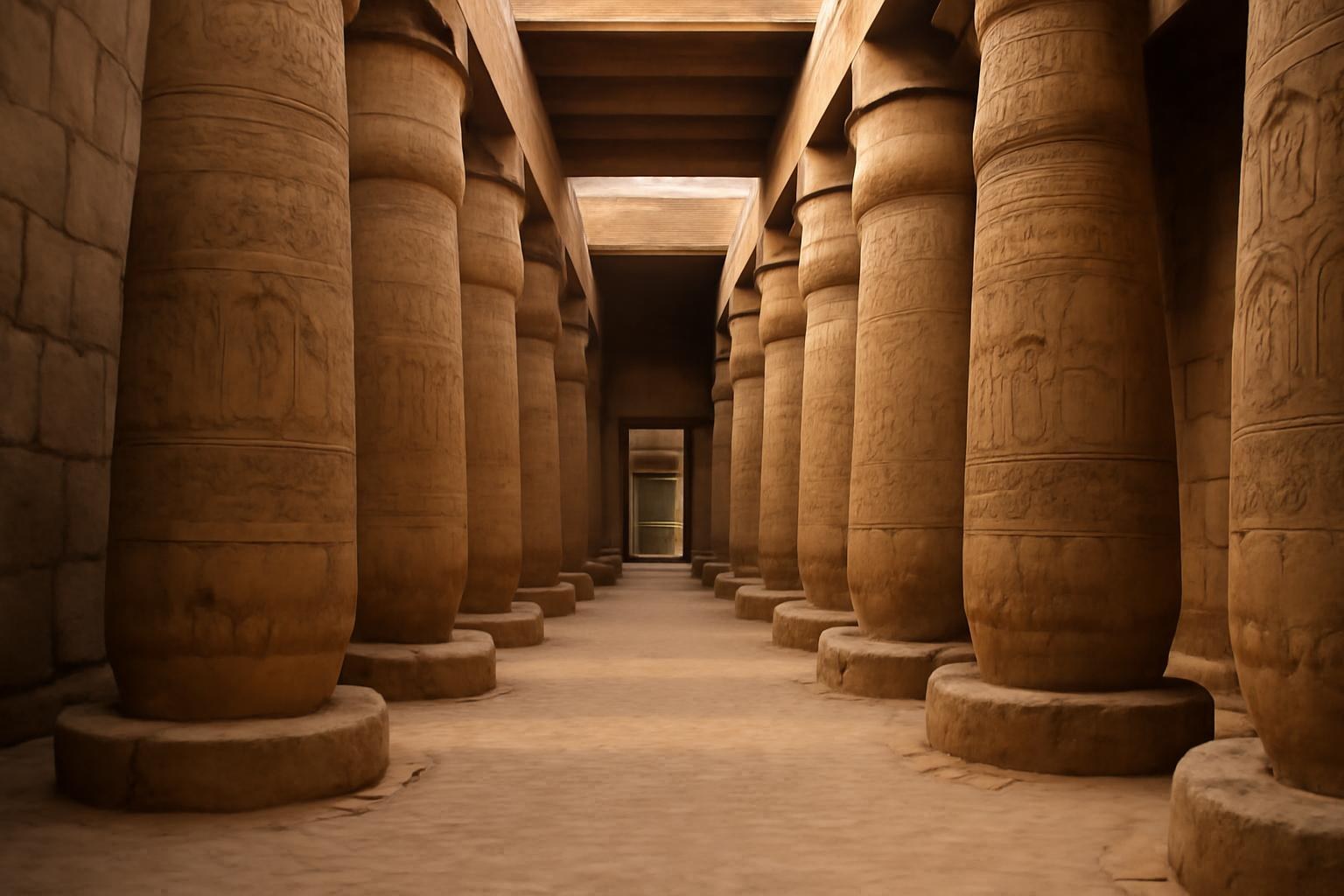
Cairo and Giza are the essential starting point for most visitors. The Giza Plateau provides the iconic pyramids and Sphinx, while central Cairo offers museums, busy markets and river views. Historic Islamic Cairo and Coptic Cairo reward slower exploration, but traffic means that two attractions on opposite sides of the city may consume much of a day. Luxor is the best base for understanding ancient Egyptian temple and tomb landscapes. The East Bank includes major temple sites and museums; the West Bank spreads across valleys, tombs and monumental remains. Three nights gives you time to avoid rushing. A sunrise balloon ride is popular, but book through a reputable operator and confirm what is included. Aswan is smaller and more relaxed than Luxor, with Nile views, boat trips and access to sites farther south. It works well as part of a Nile journey or as a two- or three-night stop. Abu Simbel requires advance planning because of its distance from Aswan. Hurghada is a practical Red Sea choice for resort facilities, boat trips and easy access to snorkeling and diving. Sharm El Sheikh combines resort beaches with excellent reef access and excursions around southern Sinai. Dahab has a more laid-back, independent-travel atmosphere, while Marsa Alam suits travellers prioritising reefs, turtles and quieter coastal stays. Choose one beach base rather than trying to visit every Red Sea destination on a short trip.
For more practical detail, see our Marsa Alam internet connection: what to do when resort Wi‑Fi is poor.
For more practical detail, see our Cairo Travel Guide: Attractions, Areas and Practical Tips.
For more practical detail, see our The Best 7-Day Egypt Itinerary: Cairo, Luxor and Aswan.
For more practical detail, see our Visiting the Pyramids of Giza: A Complete Visitor Guide.
For more practical detail, see our Cairo Airport to the City: Transport Options and Costs.
Alexandria can be added from Cairo for Mediterranean atmosphere, seafood and historic waterfront sights. It is more rewarding as an overnight or full-day trip than as a rushed stop between flights.
Realistic itinerary ideas
Seven days: spend three nights in Cairo, then fly or travel to Luxor for two nights, and finish with two nights in Aswan or a Red Sea resort. This is active but achievable if you avoid adding Alexandria and a beach destination at the same time. Ten days: use three nights for Cairo and Giza, three for Luxor, two for Aswan and two for a final stop in Cairo or the Red Sea. If beaches are the priority, replace Aswan with three or four nights in Hurghada or Sharm El Sheikh.
For authoritative context on this point, see Experience Egypt – Official Egyptian Tourism Authority.
For more practical detail, see our Best Time to Visit Egypt: Weather, Crowds and Regional Advice.
Two weeks: you can combine Cairo, Luxor, Aswan and a Red Sea base without making every day a transfer day. Add Alexandria only if you want a city break and can spare at least one night. Build in a buffer before an international flight. Domestic delays, road traffic and long transfers can turn a supposedly comfortable connection into a stressful one. A slower itinerary is particularly valuable after an overnight flight or a multi-day Nile cruise.
Getting around Egypt
For long distances, compare domestic flights, trains, private transfers and organised tours. Flying saves time between Cairo and southern Egypt, but requires airport transfers and check-in time. Trains can be useful between Cairo and Luxor or Aswan, although journey length and service standards vary. Check current schedules and ticket conditions rather than relying on old travel forums. Private transfers are convenient for airport arrivals, intercity journeys and early starts. Agree what is included – vehicle, waiting time, tolls and luggage – before travelling. For sightseeing, a licensed guide or established tour company can reduce ticket confusion and help with historical context. Within cities, ride-hailing apps may be easier than negotiating with a street taxi, where available. Pickup points around airports, hotels and attractions can be confusing, so confirm the car, driver and meeting location. In Cairo, allow generous time for traffic. The metro is useful on selected routes, but it will not replace taxis for every major sight. On excursions, leave earlier than you think. Sunrise starts are common because archaeological areas become hot and crowded later. Carry water, sun protection and a charged phone, but do not depend on a signal in every desert or mountain area.
Money, costs and bargaining
Egypt uses the Egyptian pound, and cash remains important for small shops, taxis, tips, local cafés and some attraction-related expenses. Keep a supply of small notes, but avoid carrying all your money in one place. ATMs are common in major cities and resort areas, though a backup payment method is sensible. Prices vary widely between local businesses, mid-range hotels, international resorts and private tours. Before booking, check whether breakfast, transfers, entry tickets, guide fees and service charges are included. A low headline price can become less attractive once extras are added.
If you want mobile data ready before you arrive, compare our eSIM Egypt plans and choose the plan that fits your trip.
Bargaining is normal in some markets and for some informal services, but it is not appropriate everywhere. Ask the price clearly, decide what you are willing to pay and walk away politely if it does not suit you. For taxis and unmetered transfers, agree the fare before departure. Small tips are customary for many services; keep them voluntary and proportionate rather than feeling pressured into large payments.
Safety, etiquette and common hassles
Read current travel advice from your government before departure and follow local instructions, particularly around border areas, remote deserts and parts of Sinai. Conditions can differ between tourist centres and less-visited regions. Use reputable transport and excursion providers, and tell your accommodation about desert, diving or mountain plans. In cities and villages, modest clothing is the safest default: shoulders and knees covered is respectful, especially at mosques, religious sites and local neighbourhoods. Beachwear belongs on the beach or at the pool. Ask before photographing people, security facilities or military and government buildings. Expect attention from vendors, drivers and unofficial guides around famous sights. A calm, firm “no, thank you” usually works better than an argument. Do not hand over your passport as a deposit for informal services. Keep copies of important documents and store emergency contacts offline. Heat is a practical safety issue. Drink regularly, use sunscreen and plan shade breaks. Bring rehydration salts if you are sensitive to heat or stomach upsets. Travel insurance should cover medical treatment and activities you actually plan to do, including diving if relevant.
Phones, internet and eSIM connectivity
Reliable mobile data makes Egypt easier: you can check maps, translate signs, order rides, contact drivers and confirm hotel details without hunting for Wi-Fi. Resort and hotel networks can be slow, crowded or limited to common areas, so treat Wi-Fi as a bonus rather than your only connection.
For authoritative context on this point, see Egypt Travel Advisory – U.S. Department of State.
Before buying anything, check that your phone is unlocked, supports the required eSIM bands or SIM format, and is not restricted by your home carrier. A local SIM may offer strong value and can be bought in airports, operator shops or authorised outlets. Ask the staff to activate it and test data before leaving, and keep your passport available because registration requirements may apply. A travel eSIM can be convenient because it may be installed before departure and activated when you land. Check whether it uses a local Egyptian network, whether hotspot use is allowed, how long the validity lasts and what happens when the data allowance is reached. Some plans are data-only, so keep your usual number active for messages only if your carrier will not charge unexpected roaming fees. Download an offline map of Egypt and save hotel addresses in Arabic and English. If data stops working, toggle airplane mode, restart the phone, check that the eSIM is selected for mobile data, and confirm data roaming is enabled when the plan requires it. Avoid changing APN settings unless the provider gives exact instructions.

What to pack
- Light, breathable clothing plus a modest layer for religious sites and cooler evenings.
- Comfortable shoes with grip; ancient sites often involve uneven stone, dust and stairs.
- Sun protection: a hat, sunglasses, high-factor sunscreen and a refillable water bottle.
- A small day bag, tissues, hand sanitiser and basic medication.
- Swimwear and reef-safe sun protection for the Red Sea, plus a light cover-up away from the beach.
- Universal charging equipment, a power bank and a phone that is unlocked and eSIM-compatible if you plan to use one.
- Digital and offline copies of your passport, insurance, reservations and important telephone numbers.
A practical first-day plan
Keep your arrival day deliberately simple. Arrange or confirm your airport transfer, check in, withdraw a modest amount of cash and buy or activate mobile data. Do not schedule the Pyramids, a museum and a long evening excursion immediately after an overnight flight. Use the first afternoon to walk near your hotel, eat somewhere straightforward and adjust to the heat and traffic. If you arrive early and feel rested, choose one nearby sight rather than crossing the entire city. Save your most important timed visit for the following morning, when you are more likely to have energy and clearer transport options.
Egypt travel FAQ
How many days do I need in Egypt for a first visit?
Seven days is enough for a focused route such as Cairo, Luxor and one additional stop. Ten to fourteen days is more comfortable if you want Cairo, the Nile Valley and a Red Sea beach stay without constant travel.
Is Egypt suitable for independent travellers?
Yes, many visitors travel independently, especially between established tourist destinations. Planning helps: book reliable transfers, allow extra time, use offline maps and consider a guide for complex archaeological sites or remote excursions.
Should I use a local SIM or an eSIM in Egypt?
Both can work. A local SIM may be cost-effective and is useful if you need a local number. An eSIM is convenient for compatible unlocked phones because it can be arranged before arrival. Compare network coverage, data allowances, validity, hotspot rules and activation support.
Can I pay by card in Egypt?
Cards are accepted at many hotels, larger restaurants, shops and tour companies, but cash is still essential for small purchases, taxis, tips and some local businesses. Carry Egyptian pounds in small denominations and keep a second payment method separate.
What is the biggest planning mistake first-time visitors make?
Trying to fit too many regions into one short trip. Egypt’s highlights are spread out, and transfers take time. Choosing two or three bases and leaving room for delays usually produces a better experience than collecting rushed checkmarks.
Recommended internal reading
- How to travel in Egypt: practical routes, transport, connectivity and on-the-ground tips
- Travel in Cairo: practical, on-the-ground advice for a smoother visit
- Things to do in Cairo in 3 Days
- Places to visit in Sinai: a practical travel guide
- Places to visit in Marsa Alam: a practical local guide
- Why Wi-Fi in Hurghada resorts can feel so bad – and what to do about it
A successful first trip to Egypt is less about seeing every headline attraction and more about giving each place enough time. Choose a route that matches your interests, plan the long transfers honestly, protect your mornings from heat, and arrange cash and connectivity before you need them. That preparation leaves more energy for the experiences that make Egypt memorable.