
Best Time to Visit Egypt: Weather, Crowds and Regional Advice
The best time to visit Egypt depends on what you want to do. For most travellers, October to April offers the most comfortable conditions for exploring Cairo, Luxor, Aswan and Egypt’s ancient sites. Temperatures are generally milder than in summer, making early starts and full sightseeing days easier.
That said, Egypt is a large country with noticeable regional differences. A winter day in Alexandria can feel cool and breezy, while Hurghada or Sharm El Sheikh may still be warm enough for swimming. Upper Egypt, including Luxor and Aswan, is usually warmer and drier than Cairo. Summer can be challenging for sightseeing, but it may suit travellers focused on the Red Sea, hotel pools or lower-season availability.
For more practical detail, see our Best Things to Do in Cairo: A Practical First-Time Visitor Guide.
For more practical detail, see our Egypt eSIM Guide: How to Stay Connected While Traveling.
For more practical detail, see our Place to visit in Alexandria: a practical local guide.
This guide explains when to visit by season and destination, so you can choose dates based on weather, crowds, budget and your preferred pace of travel.
Key Takeaways
- Best overall season: October to April, especially November to March, for Cairo, Luxor, Aswan and cultural sightseeing.
- Best balance of weather and crowds: October, November, February and March are often excellent shoulder-season choices.
- Best for the Red Sea: Much of the year works well, although winter can bring cooler evenings and occasional wind.
- Hottest period: June to August, particularly in Luxor and Aswan, when midday sightseeing can be exhausting.
- Spring consideration: March to May can bring dusty or windy conditions, so flexible plans and sun protection are useful.
- Book ahead for peak winter: Christmas, New Year and popular winter weeks can be busy at major sights, Nile cruises and well-located hotels.
Table of Contents
- Egypt Weather at a Glance
- The Best Season for Visiting Egypt
- Egypt by Month
- Best Time by Destination
- Crowds, Prices and Booking
- Practical Planning Tips
- Frequently Asked Questions
- Recommended Internal Reading
Egypt Weather at a Glance
Egypt has a predominantly desert climate, with hot, dry summers and milder winters. Rainfall is limited in most of the country, although the Mediterranean coast, including Alexandria, receives more rain and can have noticeably cooler, cloudier days in winter.
Cairo sits between the Mediterranean north and the hotter Nile Valley. It can be pleasantly mild in winter, but evenings may feel cold, especially in December and January. Luxor and Aswan are usually warmer and sunnier, with large differences between daytime and nighttime temperatures. The Red Sea coast has a more resort-friendly climate: warm sunshine is common, but winter evenings and windy days can feel cooler than expected.
Summer heat is the main factor affecting travel plans. In June, July and August, temperatures can become particularly demanding in southern Egypt. The heat is not only uncomfortable; it also changes how you should organise a day. Sunrise visits, shaded breaks, bottled water and air-conditioned transport become much more important.

The Best Season for Visiting Egypt
Autumn: October and November
October is one of the most attractive months for an Egypt trip. The intense summer heat begins to ease, while the Red Sea remains warm and inviting. Cairo sightseeing becomes more manageable, and Luxor’s temples and tombs are easier to enjoy with an early start.
November brings more consistently comfortable conditions for a multi-stop itinerary. It is a strong choice if you want to combine Cairo, a Nile Valley route and a few days by the sea. Demand can rise as winter travel begins, so popular hotels, guides and Nile cruises should not be left until the last minute.
Winter: December to February
Winter is the classic high season for Egypt. Daytime conditions are often excellent for museums, markets, pyramids, temples and walking tours, particularly in Luxor and Aswan. The main trade-off is that mornings and evenings can be cool, and some coastal areas may be windy.
December and January are popular around the Christmas and New Year period, so prices and availability can be less favourable in busy areas. February is often a good alternative: the weather remains comfortable, while the holiday rush has usually passed. Pack layers rather than assuming every day will be hot.
Spring: March to May
March and early April can offer a very useful combination of warmth and manageable sightseeing conditions. The days gradually become hotter, but the schedule is still comfortable if you plan outdoor visits for the morning.
Spring can also bring windy, dusty conditions, sometimes associated with khamsin weather. These episodes are not predictable enough to plan around precisely, but they are a reason to keep some flexibility in your itinerary. Sunglasses, a scarf or light face covering, and a phone pouch can be helpful during dusty days.
By May, the heat becomes more noticeable, especially in Upper Egypt. It can still be a rewarding month, but prioritise shaded attractions, early starts and accommodation with reliable air conditioning.
Summer: June to September
Summer is the hottest period in Egypt and is usually the least comfortable time for an intensive sightseeing itinerary. Cairo can feel hot and busy, while Luxor and Aswan may be particularly demanding in the middle of the day. Desert excursions also require careful planning because heat exposure can build quickly.
Summer is not automatically a bad time to visit. It can work well for travellers who want a resort holiday on the Red Sea, intend to spend much of the day by the pool, or prefer quieter conditions at some attractions. Schedule cultural visits at opening time, take a long midday break and avoid packing too many outdoor activities into one day.
Egypt by Month
January: Comfortable for sightseeing, with cooler evenings and a higher chance of busy hotels and attractions. Bring a light jacket and layers.
February: One of the most reliable winter months for Cairo, Luxor and Aswan. The Red Sea is generally pleasant, although evenings can be cool.
For reliable supporting context on this point, see Experience Egypt: Egypt Geography and Climate.
March: A good shoulder-season month with warming days. Allow for occasional wind or dust and plan outdoor visits early.
April: Increasingly hot, but still workable for many itineraries. The Red Sea is a strong option, while southern sightseeing needs an early schedule.
May: Warm to hot across the country. Choose hotels carefully and confirm that air conditioning is available and functioning.
June: Summer heat becomes significant, particularly away from the coast. Focus on early-morning sightseeing and relaxed afternoons.
July and August: The hottest months in many inland areas. Better suited to a slower beach-based trip than to a packed archaeological itinerary.
September: Still hot, but conditions usually begin to improve toward the end of the month. A possible choice for the Red Sea with a cautious sightseeing plan.
October: A popular transition month, with more comfortable conditions and warm sea temperatures in many Red Sea resorts.
November: Excellent for combining cities, ancient sites and the coast. Book well ahead for popular routes and cruise dates.
December: Generally comfortable for sightseeing, but winter evenings are cool and holiday-period demand can be high.
Best Time by Destination
Cairo and Giza
October to April is usually the most comfortable period for Cairo and the Giza Plateau. Winter daytime temperatures can be pleasant for the pyramids, the Egyptian Museum and historic districts, although the city may feel chilly after sunset.
Try to visit outdoor landmarks early in the day. This helps with both heat and crowds, regardless of the season. If you travel in summer, combine one outdoor sight with an indoor museum or a slower evening activity instead of planning a full day in direct sun.
If you want mobile data ready before you arrive, compare our eSIM Egypt plans and choose the plan that fits your trip.
Luxor and Aswan
For Luxor and Aswan, the strongest months are generally November to March, with October and April also useful for travellers who can tolerate warmer afternoons. These destinations have some of Egypt’s most important outdoor archaeological sites, so heat affects the experience more directly than it does in a museum-focused city break.
Plan temple and tomb visits for the morning, carry water and use a hat and high-SPF sunscreen. In winter, pack a layer for early starts and Nile evenings. Summer travel is possible, but a shorter list of sights and a midday rest will make the trip more enjoyable.
Hurghada and the Red Sea
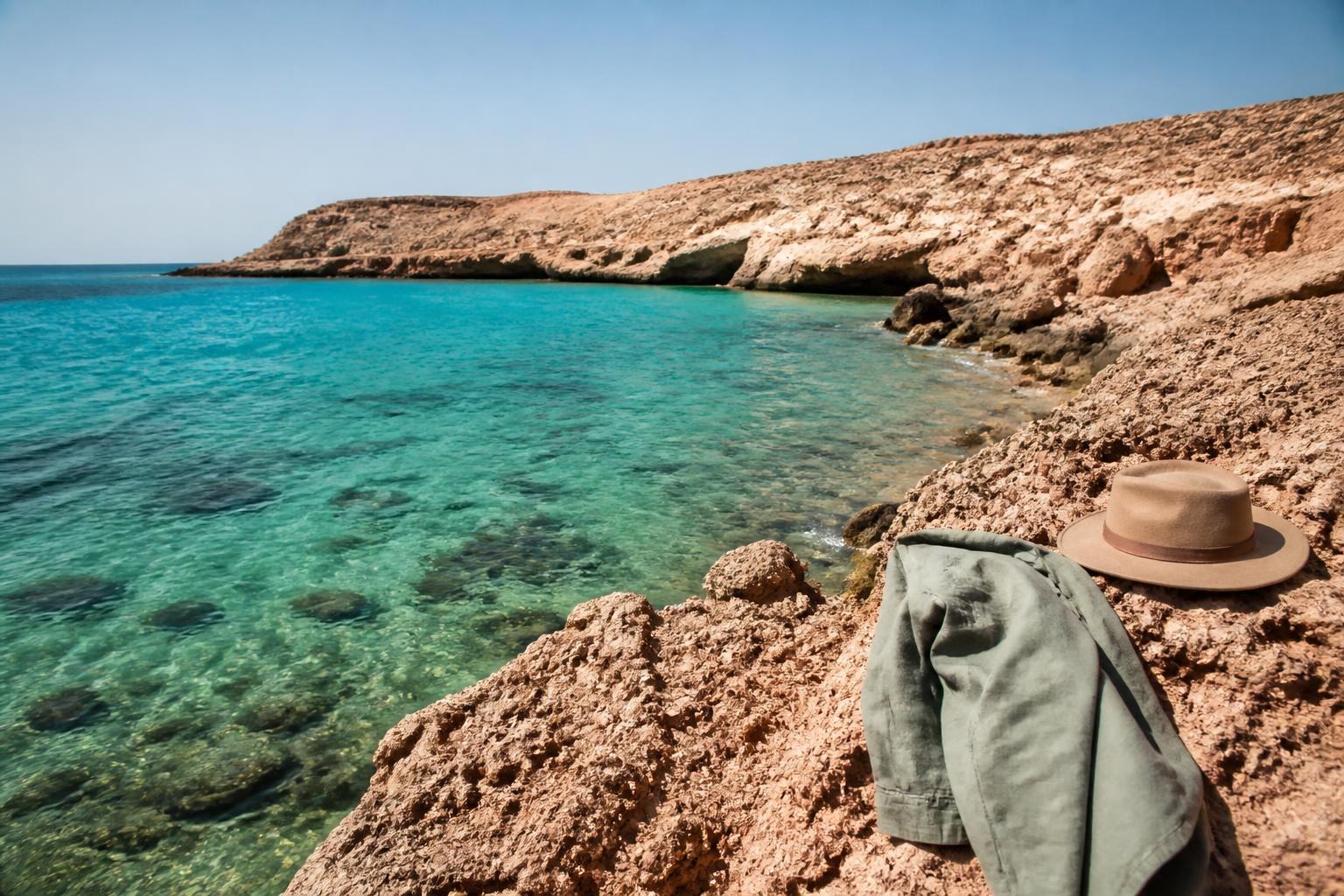
The Red Sea coast can be visited throughout the year, making it a flexible addition to an Egypt itinerary. October to April is comfortable for sunshine and sightseeing, while summer is popular with travellers who want hot weather and a resort-focused break.
Winter swimming conditions vary by day, and wind can make the water or boat deck feel cooler than expected. Check the forecast before booking diving, snorkelling or boat trips, and bring a light layer for evenings. If you want to combine beach time with Luxor, the cooler months are generally easier for the overland journey and the archaeological visits.
Sharm El Sheikh and Dahab
Sharm El Sheikh and Dahab have warm, dry weather for much of the year. October to May is often a comfortable period for diving, desert excursions and exploring at a relaxed pace. Summer is hot, but the coast can still suit travellers who plan activities around the heat.
Winter evenings may be surprisingly cool in the desert and on boat trips. Pack a light fleece or jacket even if your main goal is swimming. Wind conditions can also affect snorkelling and diving plans, so avoid arranging every day as a fixed excursion.
Alexandria and the Mediterranean Coast
Alexandria has a more Mediterranean feel than most Egyptian destinations. Summer is often the most appealing season for the Corniche and seaside atmosphere, while winter can be cool, windy and wetter than inland Egypt.
Spring and autumn are useful compromises if you want comfortable walking conditions without the height of summer. Bring a light waterproof layer in winter and do not assume that coastal weather will match the sunshine in Cairo or Upper Egypt.
Crowds, Prices and Booking
Weather is only one part of choosing travel dates. The most comfortable months are also among the most popular, particularly from December through February and around major holiday periods. Expect more demand for central Cairo accommodation, Nile cruises, popular guides and well-positioned Red Sea hotels.
For reliable supporting context on this point, see State Information Service: Basic Information About Egypt — Climate and Topography.
Shoulder months such as October, November, March and early April can offer a useful balance. Conditions are often comfortable, but you may find more choice than during the busiest winter weeks. May and September can also work for budget-conscious travellers, provided you are comfortable with warmer weather.
Do not build an itinerary around a low advertised room rate without checking the practical details. Confirm whether the property has reliable air conditioning, airport or station transfers, breakfast hours that suit early sightseeing, and a quiet enough location for sleep. In hot weather, these details can matter more than a small price difference.
Practical Planning Tips
Plan around the heat
For outdoor sights, start early, take a long lunch or hotel break, and resume activities in the late afternoon. This pattern is useful even outside summer because it leaves room for traffic delays and unplanned stops.
Pack for temperature changes
Egypt is not hot at every hour of the day. Winter mornings, desert nights, air-conditioned vehicles and Nile evenings can all feel cool. Lightweight trousers, breathable tops, comfortable closed shoes, a light jacket and sun protection are practical year-round choices.
Protect your connectivity
Reliable mobile data is useful for maps, translation, ride coordination, attraction information and checking weather or transport updates. Before departure, make sure your phone is unlocked and decide how you will stay connected when moving between Cairo, the Nile Valley and the coast. Download key maps and booking details for periods when coverage is weak or you are travelling by road.
Check religious and holiday dates
Ramadan follows the Islamic lunar calendar, so its dates move each year. During Ramadan, opening hours, meal schedules and the atmosphere in some areas may differ. This does not prevent travel, but it rewards advance planning. Check attraction hours, arrange meals when needed and be respectful when eating or drinking in public during daylight hours.
Egyptian public holidays and school holidays can also affect domestic travel and hotel demand. If your dates are fixed, reserve long-distance transport and popular accommodation early rather than relying on last-minute availability.
Frequently Asked Questions
What is the best month to visit Egypt?
November is often one of the best all-round choices because temperatures are generally comfortable for Cairo, Luxor and Aswan, while the Red Sea remains attractive. October, February and March are also strong options depending on your route and tolerance for warmer afternoons.
Is Egypt too hot in summer?
Summer can be very hot, especially in Luxor and Aswan, but it is still possible to travel comfortably with early starts, shaded breaks, air-conditioned transport and a slower itinerary. It is usually better suited to a Red Sea holiday than to a packed sightseeing tour.
Can I visit the Red Sea in winter?
Yes. Winter is a popular time for Hurghada, Sharm El Sheikh and Dahab. Expect plenty of sunshine, but pack a layer for evenings and check wind conditions before boat or snorkelling trips.
How many days should I plan for Egypt?
For a first trip, seven to ten days allows a practical combination of Cairo and one major region, such as Luxor and Aswan or the Red Sea. Longer trips can combine Cairo, a Nile route and the coast without making every travel day exhausting.
For more practical detail, see our Egypt Travel Guide for First-Time Visitors.
Should I avoid Egypt during Ramadan?
Not necessarily. Ramadan can be a rewarding time to experience Egypt, but daily rhythms and opening hours may change. Confirm schedules in advance, plan meals thoughtfully and allow extra flexibility for transport and sightseeing.
Recommended Internal Reading
For more practical planning, continue with the Egypt Travel Guide for First-Time Visitors. If you are adding the coast to your route, destination guides to Marsa Alam, Alexandria, Hurghada, Sharm El Sheikh and Dahab can help you compare activities, bases and realistic itineraries.