
Solo Travel in Egypt: Practical Advice and Planning Tips
Solo travel in Egypt can be deeply rewarding, especially if you enjoy historic sites, lively neighbourhoods, desert landscapes and the freedom to set your own pace. It can also feel intense. Cairo is crowded and traffic is unpredictable, distances between destinations are greater than they appear on a map, and informal offers of help can become tiring.
The answer is not to organise every minute. It is to make the important parts predictable: book your first nights, decide how you will travel between major stops, keep more than one way to access money and arrive with mobile data. With those basics in place, you can leave space for spontaneous discoveries without making every decision under pressure.
For more practical detail, see our Best Things to Do in Cairo: A Practical First-Time Visitor Guide.
Key takeaways
- Choose two or three bases rather than trying to cover all of Egypt in one short trip.
- Book your first accommodation and arrival transfer before flying, particularly if you land late.
- Use reputable ride-hailing, hotel-arranged cars and established tour operators where appropriate.
- Keep your passport, cash, cards and phone secure, and share your route with someone at home.
- Check current official travel advice for border areas, remote regions and demonstrations.
- Install an eSIM or arrange local mobile data before you need maps, transport apps or hotel directions.
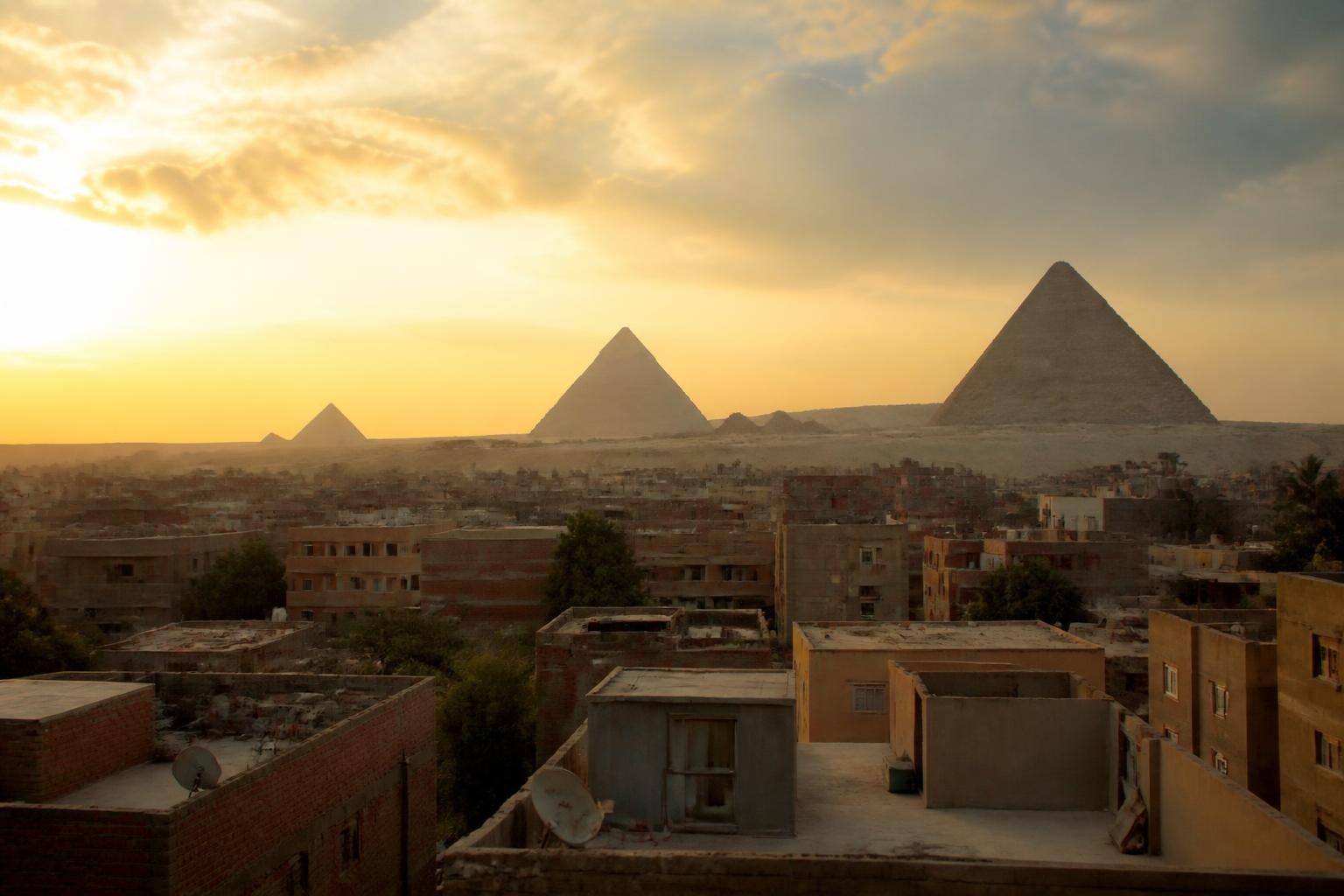
Table of Contents
- Is Egypt good for solo travel?
- Choose a route that suits solo travel
- What to arrange before you fly
- Getting around Egypt alone
- Safety, clothing and local customs
- Money, phones and connectivity
- Where to stay and how to structure your trip
- Solo travel in Egypt FAQ
- Recommended Egypt travel reading
Is Egypt good for solo travel?
Egypt is a realistic destination for independent travellers who are comfortable with a busy, social and sometimes persistent travel environment. In Cairo, you may encounter heavy traffic, crowded pavements, sales approaches and frequent offers from guides, drivers or vendors. These interactions are easier to manage when you remain calm, confirm prices before accepting anything and walk away from offers that do not feel right.
There are also clear advantages to travelling alone. You can spend extra time in the Egyptian Museum, start early at the Pyramids of Giza, take a slower morning on the Nile or change your beach plans without coordinating with a group. Hotels, guesthouses and small group excursions provide opportunities to meet people when you want company, while independent sightseeing gives you privacy when you need it.
For more practical detail, see our Egypt eSIM Guide: How to Stay Connected While Traveling.
Egypt is less suitable for completely unplanned travel than some destinations. Transport connections can be confusing, attraction opening arrangements may change and some archaeological sites are easier with a driver or guide. Independent travel works well here, but informed independent travel is usually more comfortable.
Choose a route that suits solo travel
For a first trip, limit yourself to two or three main bases. Cairo, Luxor, Aswan and the Red Sea all deserve time, but moving between them can consume much of a short holiday. A route with fewer hotel changes also makes it easier to keep track of luggage, reservations and transport.
Cairo and Giza: Allow at least three full days if you want to combine the pyramids with museums, historic Cairo and neighbourhoods such as Zamalek or Downtown. Group sights by area because traffic can make cross-city journeys slow. The complete Pyramids of Giza visitor guide is useful for planning tickets, timing and transport.
For more practical detail, see our Is Egypt Safe to Visit? Current Travel Safety Advice.
Luxor and Aswan: Luxor is a particularly good solo destination for ancient sites. The East Bank and West Bank can be explored on separate days, with a pre-arranged driver or guide if you prefer not to negotiate locally. Aswan is quieter and works well as an extension for temples, Nile scenery and a slower pace. Leave some flexibility if you are connecting by train or domestic flight.
Red Sea bases: Hurghada, Sharm El Sheikh, Dahab and Marsa Alam suit travellers looking for swimming, diving, snorkelling or downtime. Choose one base for a short visit. Dahab has a walkable centre and an independent-travel atmosphere, while Marsa Alam is more spread out and often requires organised transfers for reefs and desert excursions.
A practical seven- to ten-day route could include Cairo for three or four nights, Luxor for two or three nights and one Red Sea base for three or four nights. If you have only a week, choose Cairo plus either Luxor or the coast. The realistic seven-day Egypt itinerary explains how to balance these destinations without turning every day into a transfer.
What to arrange before you fly
Make your first 24 hours predictable. Reserve your first accommodation and save its address in English and Arabic, both online and offline. Arrange a hotel transfer or reputable pre-booked car if you arrive late, have substantial luggage or do not yet have mobile data. Save the driver or accommodation contact number in your booking confirmation.
Prepare digital and paper copies of your passport, visa documents if applicable, insurance details, flight information and hotel reservations. Keep the original passport secure and carry only the documents you need for the day. Share your flight details, accommodation names and planned route with a trusted contact at home.
For reliable supporting context on this point, see Egypt Travel Advisory, U.S. Department of State.
Download offline maps, a translation app and any airline or train confirmations before departure. Check your government’s current Egypt travel advice shortly before leaving and during the trip. Guidance can change for border areas, remote desert regions, demonstrations and specific transport routes. Do not assume that advice for Cairo or a resort also applies to every part of the country.
It is also worth checking your phone before departure. Confirm that it is unlocked and supports eSIM technology if you plan to use one. An Egypt eSIM for travel can provide data as soon as you land, which is useful when locating an airport transfer or contacting your hotel.
Getting around Egypt alone
In Cairo, journey time matters more than distance. Use reputable ride-hailing services where available, hotel-arranged cars or taxis with a clearly agreed fare. Do not enter an unmetered taxi without confirming the total price, destination and whether the fare covers everyone in the vehicle. Keep the address of your accommodation in Arabic so you can show it to a driver.
For travel between major cities, compare domestic flights, trains and long-distance buses according to your budget, luggage and tolerance for long journeys. Check the departure station or airport carefully because large cities may have several relevant transport points. Avoid scheduling an international flight immediately after a long overland connection. A buffer day or overnight near the departure airport is less stressful than trying to absorb a delay.
Luxor and Aswan are easier when you plan sightseeing by area. A private car or established guide can save time on the West Bank and on routes with several temples, but confirm the duration, stops and inclusions before departure. For diving, desert trips, boat outings and snorkelling, choose an operator with clear safety information and recent independent reviews. Ask whether equipment, transfers, entrance fees, meals and guides are included.
Carry a charged phone and power bank on travel days. If you are travelling alone at night, door-to-door transport is preferable to walking a long distance with luggage through an unfamiliar area.
Safety, clothing and local customs
Most useful safety precautions are simple. Keep your phone and wallet discreet in crowded areas, carry only the cash you need for the day and store backup cards separately. Use hotel safes where available, but also keep a secure digital copy of your passport and insurance documents.
Unsolicited assistance is common around major sights. Some people are genuinely helpful, while others may expect payment or direct you towards a shop. A firm, polite “no, thank you” is sufficient. If you want a guide, driver or photographer, arrange one through your accommodation or a reputable operator and agree the price, time and service before starting.
Solo travellers should be more cautious around isolated archaeological sites, empty beaches and unfamiliar streets after dark. Tell your accommodation when you are leaving for a remote excursion and when you expect to return. Follow local instructions during water and desert activities, and do not join an excursion if the equipment, vehicle or operator appears poorly maintained.
If you want mobile data ready before you arrive, compare our eSIM Egypt plans and choose the plan that fits your trip.
Clothing expectations vary between Cairo, rural communities, religious sites and Red Sea resorts. Lightweight clothing covering the shoulders and knees is a practical choice away from resort beaches. Loose trousers, long skirts, shirts with sleeves and a light scarf are useful. Beachwear is normal around resort pools and beaches, but cover up when entering towns or travelling between resorts.
Ask before photographing people, workers or children. Respect requests at religious buildings, remove shoes when required and avoid photographing military sites, security personnel, government buildings or sensitive infrastructure. During Ramadan and religious holidays, meal times and opening hours may differ, so confirm arrangements locally.

Money, phones and connectivity
Use a combination of payment methods. Cards are accepted at many larger hotels, established tour operators and some restaurants, but cash remains important for small shops, taxis, tips and local cafés. Use ATMs at banks, major hotels or established shopping areas where possible, and keep your bank informed of your travel dates.
Keep small notes available for everyday purchases and agreed tips. Ask for prices before ordering, taking a ride or accepting assistance. Carry enough cash for the day’s plans, but do not keep your whole budget in one wallet. Store a backup card and emergency cash separately from your daily money.
Mobile data is especially valuable when travelling alone. Maps, translation, ride-hailing, hotel messages, digital tickets and emergency contacts are difficult to manage when you are dependent on unreliable public Wi-Fi. An eSIM can be installed before departure if your phone supports it, allowing you to connect soon after landing. A local SIM from an authorised shop is another option once you arrive.
Choose the amount of data according to your use. Navigation and messaging are relatively light, while video calls, frequent photo uploads and streaming use much more. Keep your accommodation address and key phone numbers offline in case coverage drops or your battery runs low.
Where to stay and how to structure your trip
Location, recent reviews and arrival logistics are usually more important than finding the absolute lowest room rate. A well-reviewed hotel or guesthouse near restaurants, transport and your planned sights can reduce daily stress. In Cairo, decide whether you prefer central city access, a quieter area or proximity to Giza. Each choice affects traffic, evening convenience and sightseeing time.
For reliable supporting context on this point, see Egypt Travel Advice, UK Foreign, Commonwealth & Development Office.
Hostels and guesthouses can help solo travellers meet people, while a small hotel may offer more privacy and assistance with drivers or excursions. Read recent reviews for comments about staff communication, cleanliness, noise, airport transfers and the surrounding streets after dark. Ask reception which local routes and transport options they recommend, but confirm prices independently before booking.
For seven to ten days, a sensible structure is three or four nights in Cairo and Giza, two or three nights in Luxor, followed by three or four nights at one Red Sea base. Group Cairo attractions by neighbourhood, visit Luxor’s East and West Banks on separate days, and keep the final coast section slower. For a shorter journey, choose two destinations. For a longer one, add Aswan only if the transport connections fit comfortably.
Leave at least one flexible day before an international flight if your route involves long-distance ground travel. Heat, traffic, delayed trains and extended sightseeing can all affect a carefully timed plan. A slower itinerary generally gives a solo traveller more confidence and more opportunity to enjoy each place.
Common planning errors include changing hotels every night, arriving without an address or mobile data, accepting a ride without agreeing the fare, carrying only one payment method and underestimating heat or walking distances. Remote desert and water activities deserve additional care because the cheapest operator is not always the safest or best organised.
Solo travel in Egypt FAQ
Is Egypt safe for a woman travelling alone?
Many women travel independently in Egypt, but conservative clothing outside resort areas, well-reviewed accommodation and reliable transport can make the experience more comfortable. Avoid isolated places after dark, be cautious with unsolicited attention and check current official travel advice before and during the trip.
Can I travel around Egypt without a tour?
Yes. You can arrange accommodation and transport independently, then use guides or organised excursions for particular sites. A hybrid approach often works best: explore cities at your own pace and arrange professional help for complicated transfers, desert trips or groups of archaeological sites.
How much cash should I carry?
Carry enough small cash for transport, food, entrance-related expenses and tips for that day. Avoid carrying your full travel budget, and keep backup cash and cards separately. Use established ATMs when you need more money.
Should I get mobile data before arriving in Egypt?
Having data from the start helps with airport transfers, maps and hotel communication. If your phone supports eSIM technology, installing an Egypt plan before departure can save you from searching for a shop immediately after landing. An authorised local SIM is another practical option.
What is the best first solo destination in Egypt?
Cairo is the most practical starting point for many travellers because it has major transport connections and a wide choice of accommodation and services. Luxor is a strong second stop for ancient sites, while a Red Sea base suits travellers who want a slower beach-focused finish.
Recommended Egypt travel reading
For broader planning, read the Egypt travel guide for first-time visitors, which covers routes, transport, money, packing and connectivity. If Cairo is part of your route, the practical Cairo Airport transport guide can help you choose how to reach your accommodation. You can also compare seasonal conditions in the guide to the best time to visit Egypt.
The strongest solo itinerary is not the one with the most stops. It is the one that gives you enough time to understand each destination, keeps travel days manageable and leaves you connected when plans change.