
Hurghada Travel Guide: Beaches, Diving, Desert Trips and Practical Tips
Hurghada is one of Egypt’s easiest Red Sea destinations for a relaxed beach holiday, but it is more than a resort strip. The city combines long sandy beaches, accessible coral reefs, boat trips, desert landscapes and a growing local dining scene. It is also a practical base for travellers who want sea time without giving up the option of day trips and Egyptian culture.
This Hurghada travel guide explains how to plan your stay, from choosing the right area and timing boat excursions to arranging airport transfers, managing money and staying connected. Whether you are travelling as a couple, with children, as a diver or on a first trip to Egypt, the key is to build your itinerary around the Red Sea rather than trying to treat Hurghada like a sightseeing city.
Key takeaways
- Hurghada is best known for snorkelling, diving, boat trips, beaches and desert excursions.
- Choose your base carefully: El Dahar feels more local, while the resort areas south of the centre are generally quieter and more self-contained.
- Plan boat trips early in your stay so you have flexibility if wind or sea conditions cause a change.
- The airport is close to the main resort zones, but a pre-arranged transfer is usually easier than negotiating transport after arrival.
- Bring sun protection, reef-appropriate footwear and a reliable way to access maps, booking messages and translation tools.
Table of Contents
- Contents
- Why visit Hurghada?
- Best things to do in Hurghada
- Where to stay in Hurghada
- Best time to visit Hurghada
- Getting to Hurghada and getting around
- Food, money and typical holiday costs
- Safety and practical etiquette
- Mobile connectivity in Hurghada
- A practical three-day itinerary
- Frequently asked questions
Contents
- Why visit Hurghada?
- Best things to do in Hurghada
- Where to stay
- Best time to visit
- Getting to Hurghada and getting around
- Food, money and typical holiday costs
- Safety and practical etiquette
- Mobile connectivity in Hurghada
- A practical three-day itinerary
- Frequently asked questions
- Recommended internal reading
Why visit Hurghada?
Hurghada stretches along the Red Sea coast and is designed around access to the water. The offshore reefs make it popular with divers and snorkellers, while its large resort selection suits travellers who prefer an organised holiday with pools, restaurants and activities close at hand.
The city also works well for different travel styles. You can spend most of a week inside a resort, book daily excursions from a central hotel, or combine a few beach days with a longer Egypt itinerary. Hurghada is less atmospheric than historic cities such as Luxor or Cairo, but that is part of its appeal: the pace is slower, the days are outdoor-focused and the logistics are relatively simple.
For more practical detail, see our Cairo Travel Guide: Attractions, Areas and Practical Tips.
For more practical detail, see our Place to visit in Alexandria: a practical local guide.
For more practical detail, see our Solo Travel in Egypt: Practical Advice and Planning Tips.
For more practical detail, see our How to Travel from Cairo to Luxor: Trains, Flights, Buses and Practical Tips.
Do not expect every beach to be a wide, uninterrupted public shoreline. Many stretches are connected to hotels or beach clubs, and the quality of access varies. Before booking, check whether your accommodation has a private beach, a jetty, shallow water for swimming or a reef suitable for snorkelling.
Best things to do in Hurghada
Snorkelling and diving
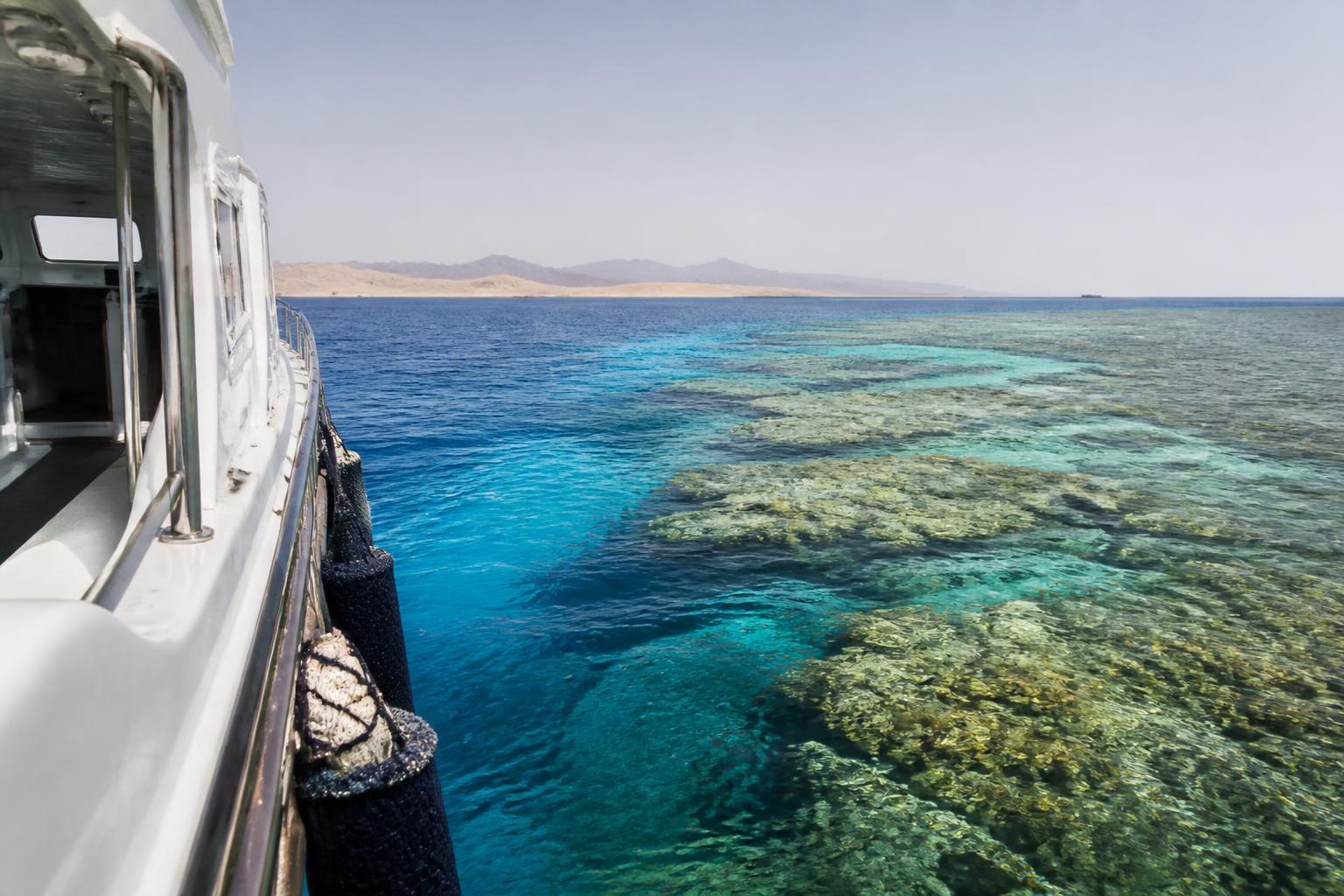
The Red Sea is Hurghada’s main attraction. Day boats visit reefs and islands where visibility can be excellent, although conditions depend on wind, currents and the season. Beginners can arrange an introductory dive with a licensed centre, while certified divers should ask about group size, equipment, pick-up arrangements and the type of sites included.
For more practical detail, see our Best Time to Visit Egypt: Weather, Crowds and Regional Advice.
Snorkellers should not assume that every reef is safe to reach independently. Follow the crew’s instructions, use a buoyancy aid if needed and avoid standing on coral. A rash vest, reef shoes and a waterproof bag are useful additions, particularly for families and anyone sensitive to strong sun.
Boat trips and island days
Boat excursions may include snorkelling stops, lunch, swimming and time near one of the small islands or sandbanks off the coast. Compare the itinerary rather than choosing only by price. Ask how many passengers are expected, how long the boat spends at each stop, whether equipment is included and what happens if weather affects the route.
Book at least one sea day near the beginning of your stay. If a trip is postponed because of rough conditions, you will have time to reschedule. Take a light layer for the boat, even in warm weather, because the breeze can be surprisingly cool on the return journey.
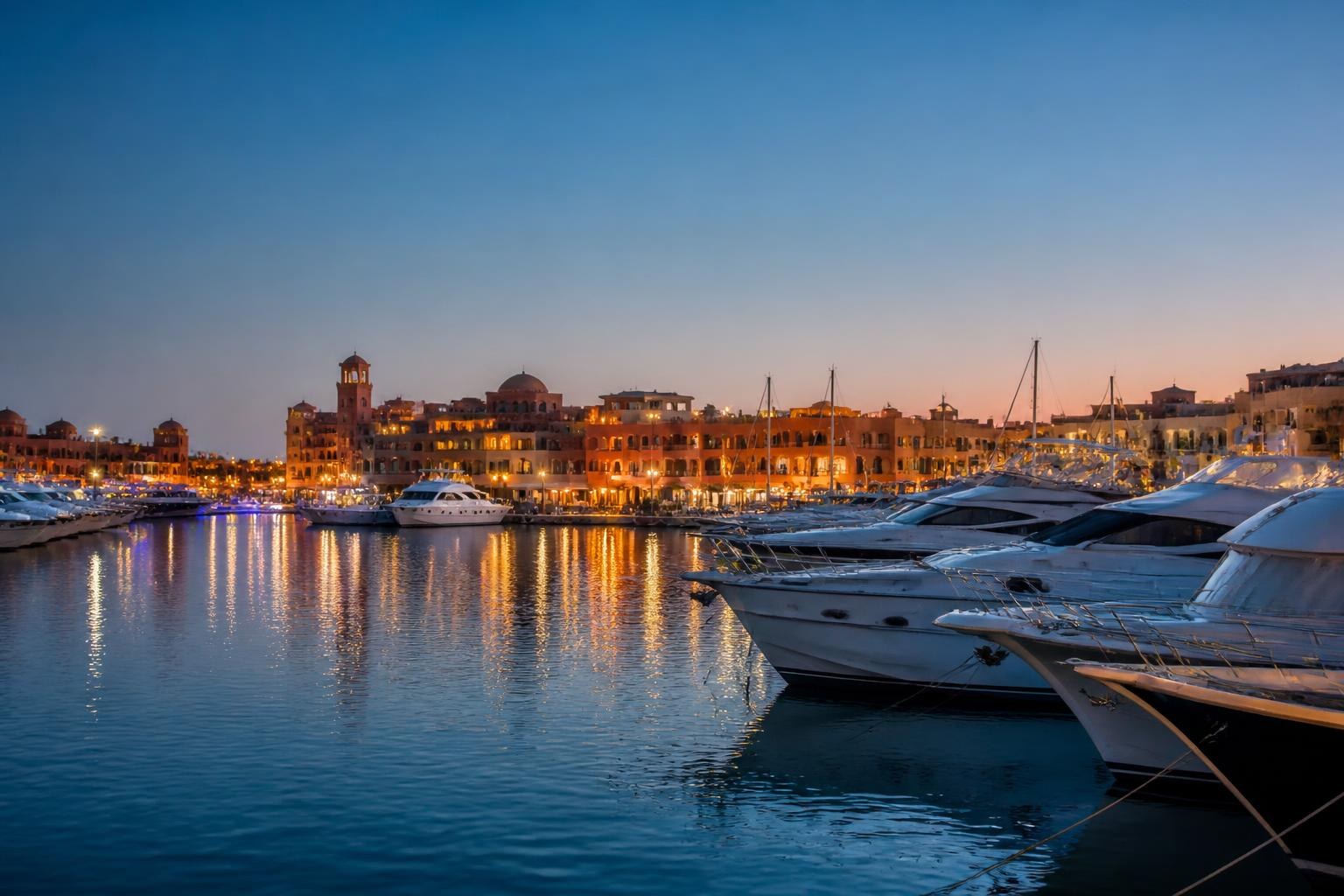
Hurghada Marina and the waterfront
Hurghada Marina is a convenient place for an evening walk, a meal or a drink overlooking the water. It is more polished and visitor-oriented than the older central districts, with restaurants and cafés gathered around the marina promenade. It is a useful choice when you want an easy night without committing to a full excursion.
El Dahar and the old town
El Dahar, often described as the old town or downtown area, offers a more local view of Hurghada. You will find everyday shops, markets, simple restaurants and a busier street atmosphere than in the resort zones. It is not a preserved historic quarter in the same way as older Egyptian cities, but it helps show how the destination functions beyond the hotels.
Visit during the cooler part of the day, dress modestly and keep small notes for minor purchases. As in other busy areas, agree prices before using informal services and keep your phone and wallet secure in crowded streets.
For reliable supporting context on this point, see Hurghada – Experience Egypt.
Desert excursions
Desert trips commonly use quad bikes, dune buggies, jeeps or camel rides, sometimes combined with a Bedouin-style dinner and a short cultural presentation. These tours can be enjoyable, but quality varies. Confirm the total duration, transport time, protective equipment, meal arrangements and whether the route involves a large convoy.
Wear closed shoes, sunglasses and clothing that covers your shoulders and legs from the sun. If you have back or neck problems, ask how much time will be spent on a quad bike or in an open vehicle before booking.
Family-friendly resort time
For families, a good Hurghada itinerary does not need to be packed with excursions. A resort with a shallow pool, shaded areas, food available throughout the day and a protected beach may be more valuable than a long list of attractions. Keep boat and desert trips short enough to suit the youngest traveller, and carry water and snacks for transfers.
Where to stay in Hurghada
Your accommodation area shapes the entire holiday. El Dahar is convenient for local shops, inexpensive food and a more everyday city experience. It can be a good fit for independent travellers who plan to eat out and arrange activities themselves.
The central resort and marina areas offer a balance between restaurants, beaches and excursion pick-ups. They are convenient for travellers who want options outside the hotel but still prefer a visitor-oriented environment.
Further south, areas such as Makadi Bay, Sahl Hasheesh and the resort developments near the airport are more self-contained. They often suit travellers looking for pools, private beaches and a quieter stay. The trade-off is that restaurants, pharmacies and independent shops may be farther away, so check transfer times before booking.
When comparing hotels, look beyond the room photographs. Check recent information about beach access, reef conditions, food arrangements, air conditioning, Wi-Fi, airport transfers and renovation work. If you want to snorkel from shore, ask whether the water is accessible directly or only via a jetty.
Best time to visit Hurghada
Hurghada is a year-round destination, but the most comfortable sightseeing and desert conditions are generally from autumn through spring. Days can be warm while evenings feel cooler, especially on the water or in the desert.
Summer brings intense heat and strong sun. It can still work well for a resort holiday, particularly if you plan swimming early and late in the day, but long desert excursions and midday walks are more demanding. Sea temperatures remain attractive, and many hotels are designed for hot-weather stays.
Winter is popular because daytime conditions are usually pleasant for outdoor activities. Pack a light jacket or long-sleeved layer for evenings, boat decks and air-conditioned transport. Before confirming a sea excursion, check the forecast and leave flexibility in your schedule for wind.
Getting to Hurghada and getting around
Hurghada International Airport serves the Red Sea resort area and receives domestic and international traffic. The airport is close to the main city and resort zones, but actual transfer time depends on your hotel’s location and traffic on the coastal road.
If you want mobile data ready before you arrive, compare our eSIM Hurghada plans and choose the plan that fits your trip.
For a first arrival, a hotel transfer or pre-booked private transfer is usually the least stressful option. Confirm the driver’s meeting point and keep the hotel address available in Arabic as well as English. Taxis and app-based options may be available in some areas, but availability and pricing can vary, particularly around resorts.
Within Hurghada, short taxi rides are common. Agree the fare before setting off if the vehicle is not metered, or confirm the price through your accommodation. Hotel shuttles can be useful for resort areas, while organised excursions normally include collection and return.
Walking is practical for short distances within one neighbourhood but less useful for moving between resort zones. Roads can be busy, and coastal developments are spread out. A map with your destination pinned offline can prevent confusion when hotel names are similar.
Food, money and typical holiday costs
Hurghada has everything from hotel buffets and international restaurants to Egyptian cafés and simple takeaway counters. Try familiar local dishes such as koshary, ful, falafel, grilled meats, rice and fresh salads, choosing busy places with good food turnover. Seafood is widely available, but ask about the price and serving size before ordering by weight.
Resort packages can make budgeting straightforward, but they may not include excursions, drinks, airport transfers or spa services. Independent travellers should allow for transport between areas, beach access, boat trips, tips and bottled water. Prices change by season and operator, so treat online listings as a starting point and confirm what is included.
Carry Egyptian pounds for small purchases, tips and local transport, while keeping a card for hotels and larger businesses. ATMs are available in tourist areas, but it is sensible to withdraw or exchange money before a boat or desert day. Keep a small amount of cash separate from your main wallet.
Safety and practical etiquette
Most visitors spend their time in organised, busy tourist areas, but normal travel precautions still matter. Use reputable diving and excursion operators, follow marine safety instructions and do not swim far from shore alone. The sea can look calm while currents and boat traffic create risks.
Heat is a more common practical problem than many travellers expect. Drink water regularly, use high-factor sunscreen, wear a hat and schedule strenuous activities outside the strongest midday sun. Avoid drinking untreated tap water if you are not accustomed to it, and carry medication in its original packaging.
For reliable supporting context on this point, see Hurghada International Airport – Egyptian Ministry of Civil Aviation.
Beachwear is appropriate at the beach or pool, but cover up when leaving the resort. Light, loose clothing is comfortable and respectful. Ask before photographing local people, workers or children. In markets and taxis, a calm, friendly negotiation is normal; if a price feels unreasonable, politely decline and move on.
Mobile connectivity in Hurghada
Reliable mobile data is useful in Hurghada for airport pick-up messages, maps, translation, restaurant directions, excursion confirmations and contacting your hotel. Resort Wi-Fi can be adequate in common areas but may be slower or less consistent in rooms, so do not rely on it for every task.
An eSIM can be convenient if your phone supports it and is unlocked. You can arrange data before departure and activate it on arrival without removing your primary SIM. Check device compatibility, data validity, activation instructions and whether the plan uses local Egyptian networks. If your phone is not eSIM-compatible, a local physical SIM remains an alternative, usually requiring identification and a visit to a recognised provider.
Download your hotel address, booking confirmations and offline maps before leaving the airport. Keep your main number active if you need bank messages or family calls, but review roaming settings carefully to avoid unexpected charges. A portable charger is especially useful on full-day boat and desert excursions.
A practical three-day itinerary
Day one: settle in and explore locally
Arrive, check in and keep the first afternoon flexible. Use the time to learn the route from your hotel to the beach, confirm an excursion and visit the marina or a nearby restaurant in the evening. If you arrive late, avoid scheduling a demanding trip the next morning.
Day two: spend the day on the Red Sea
Book a snorkelling or diving boat trip, allowing extra time for hotel pick-up and return. Follow the crew’s safety guidance and protect your phone, cash and travel documents from spray. Have a quiet evening after the trip rather than planning another long transfer.
Day three: choose between the desert and the old town
Take a desert excursion if you want an active day, or explore El Dahar and spend more time at your hotel beach if you prefer a slower pace. End the day with dinner near the marina or in your resort area. Travellers with more time can add another sea day, which is often more rewarding than filling every day with road transfers.
Frequently asked questions
How many days do you need in Hurghada?
Three to five days works well for most visitors. This allows time for a boat trip, a beach day, a desert or local outing and some flexibility for weather. Divers may want a longer stay to schedule several days on the water.
Is Hurghada suitable for a first trip to Egypt?
Yes. Resort logistics are relatively straightforward, and organised activities make it easy to experience the Red Sea. If you also want major ancient sites, combine Hurghada with Cairo or Luxor rather than expecting the city itself to provide the same historic sightseeing.
Can you visit Luxor from Hurghada?
Day trips are offered, but the journey can make for a long day. Compare the travel time, departure hour and included sights before booking. Travellers who want a deeper Luxor experience may prefer staying overnight rather than returning to Hurghada the same day.
Is Hurghada good for snorkelling without diving?
Yes. Boat trips offer access to reefs for non-divers, and some hotels have house reefs or jetties. Ask about water access and current conditions, and use a life jacket or flotation aid if you are not a confident swimmer.
What should you pack for Hurghada?
Pack light clothing, swimwear, a sun hat, high-factor sunscreen, sunglasses, reef shoes, a light evening layer and a waterproof pouch. Add modest clothing for markets and local neighbourhoods, plus medication, a reusable water bottle and a portable charger.
Hurghada is easiest to enjoy when you leave room for the sea, the weather and your own pace. Choose accommodation that matches how independently you want to travel, schedule your main boat trip early, and treat sun protection and connectivity as part of the planning rather than afterthoughts.