
Luxor Travel Guide: Temples, Tombs and Practical Planning Tips
Luxor is one of the most rewarding stops on an Egypt itinerary, but it is not a city to experience by simply ticking off a few monuments. Ancient Thebes once stood here, and its temples, royal tombs and religious sites are spread across both banks of the Nile. A good plan helps you see more while avoiding the worst heat, rushed transfers and unnecessary backtracking.
This Luxor travel guide explains what to see, how long to stay, where to base yourself, how to move between the East and West Banks, and what to expect from a practical point of view. It also covers food, costs, dress, guides, photography and staying connected during day trips.
For more practical detail, see our Cairo Travel Guide: Attractions, Areas and Practical Tips.
For more practical detail, see our Hurghada Travel Guide: Beaches, Diving, Desert Trips and Practical Tips.
For more practical detail, see our Place to visit in Alexandria: a practical local guide.
Key takeaways
- Plan on at least two full days in Luxor; three days is more comfortable if you want a slower pace or a hot-air balloon flight.
- Use the East Bank for Karnak, Luxor Temple, hotels and evening walks, and the West Bank for the Valley of the Kings and major mortuary temples.
- Start sightseeing early. The sun becomes intense quickly, especially around the exposed West Bank sites.
- Organised transport or a private driver is often the easiest way to cover the West Bank, while walking, taxis and horse-drawn carriages can work for shorter East Bank journeys.
- Carry water, sun protection, modest clothing and some cash in small denominations.
- Reliable mobile data is useful for maps, translation, ride coordination and contacting hotels, especially when moving between sites.
Table of Contents
- Best time to visit Luxor
- How many days do you need?
- Things to do on the East Bank
- Things to do on the West Bank
- Getting around Luxor
- Where to stay in Luxor
- Food, money and typical costs
- Practical tips for a smoother visit
- A practical two-day itinerary
- Staying connected in Luxor
- Luxor travel FAQ
Best time to visit Luxor
The most comfortable sightseeing season is generally from October to April. Temperatures are usually more manageable for walking around temples and climbing through tombs, although mornings and evenings can feel cool in winter. December through February is popular, so accommodation and tours may be busier.
Summer can be much hotter, particularly from late morning onwards. It is still possible to visit, but you should schedule outdoor sites for sunrise or early morning, rest during the middle of the day and keep afternoons flexible. Air-conditioned accommodation becomes especially important at this time.
For more practical detail, see our Best Time to Visit Egypt: Weather, Crowds and Regional Advice.
Whichever season you choose, the same rule applies: do not underestimate the sun. Much of the West Bank is open, dry and exposed, with limited shade between monuments.
How many days do you need?
Two full days is a sensible minimum for first-time visitors. It allows one day for the East Bank and one for the West Bank without turning every stop into a rushed photo opportunity.
For more practical detail, see our Visiting the Pyramids of Giza: A Complete Visitor Guide.
Stay three days if you want to include less hurried visits, a balloon flight, additional tombs, a felucca or motorboat ride, or time to enjoy a hotel beside the Nile. A one-day visit is possible from a Nile cruise or as a long transfer, but you will have to choose carefully. Trying to see both banks, Karnak, Luxor Temple and several tombs in a few hours usually leaves little time to appreciate the sites.
Things to do on the East Bank
Karnak Temple Complex
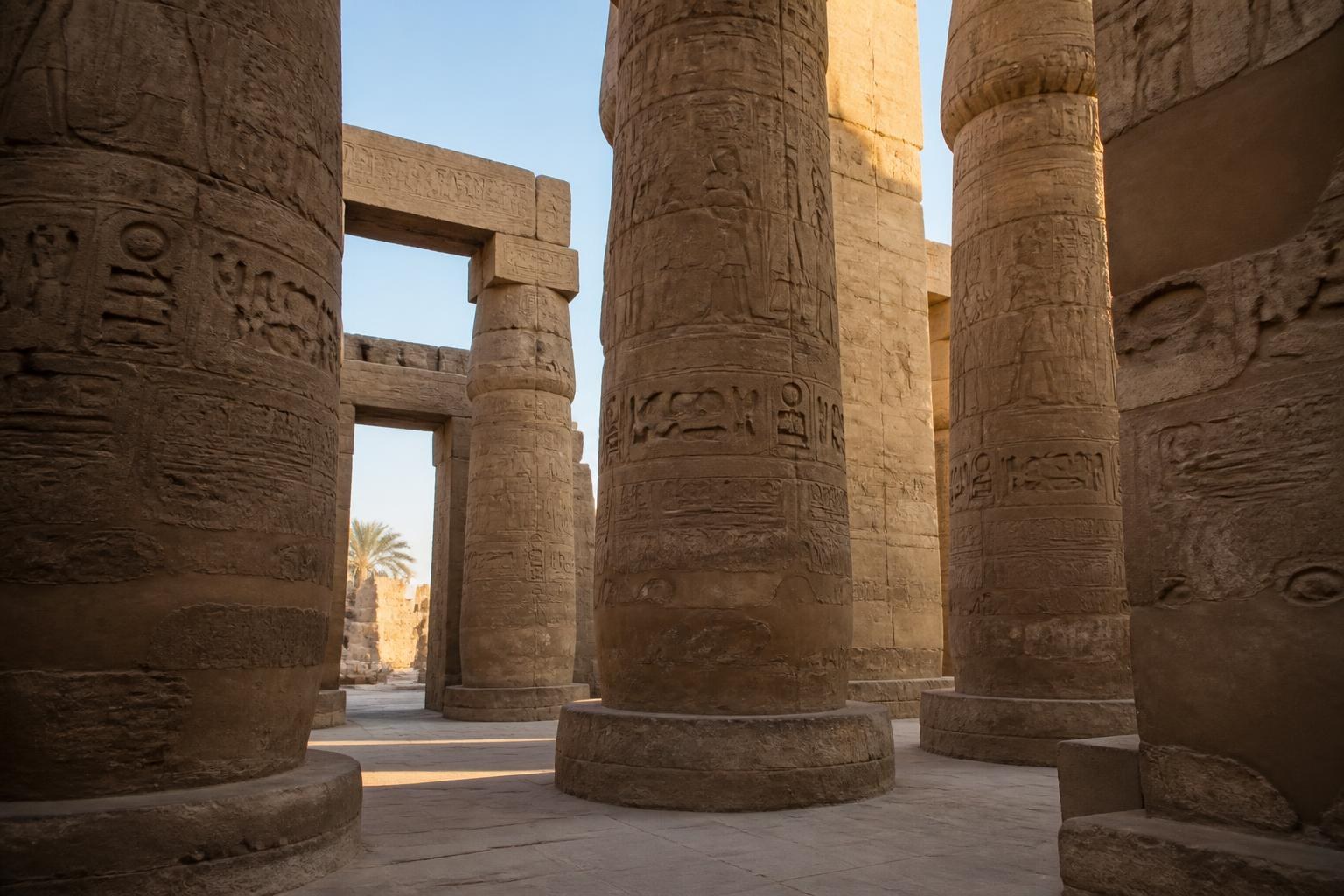
Karnak is one of Luxor’s essential visits and should normally receive at least two or three hours. It is a vast religious complex developed over many centuries, with monumental gateways, courtyards, sanctuaries and the famous Great Hypostyle Hall. The scale is difficult to understand from photographs, so allow time to walk rather than rushing directly between the most recognisable structures.
Go early if possible. The complex is exposed, and the combination of heat and long walking distances can make a late-morning visit tiring.
Luxor Temple
Luxor Temple stands close to the modern city and is particularly atmospheric later in the day when its columns and statues are illuminated. It is smaller and more concentrated than Karnak, making it a good choice after a morning of sightseeing. The temple’s position also makes it easy to combine with a walk along the Corniche or an evening meal.
For reliable supporting context on this point, see Thebes – Ministry of Tourism and Antiquities, Egypt.
The Luxor Museum and local riverfront
The Luxor Museum is a useful indoor addition when you want a break from open-air monuments. Its collection helps provide context for the sites around the city and is easier to cover than a very large national museum. Opening hours and ticket arrangements can change, so check locally before building your day around a museum visit.
Along the Nile, the Corniche is a pleasant place for a short walk, particularly around sunset. You can also arrange a short boat crossing or river ride, but confirm the price and destination before boarding.
Things to do on the West Bank
The West Bank contains the ancient necropolis and is where most visitors spend their most concentrated sightseeing day. The area is broad, so a driver, guide or pre-arranged tour generally saves time.
Valley of the Kings
The Valley of the Kings contains royal tombs cut into the hills. Your standard ticket usually covers a selection of open tombs, while some of the most famous tombs require an additional ticket. The exact selection can change, and not every tomb is open every day.
Do not choose tombs only by reputation. Several less-famous tombs can be highly rewarding, while the most popular ones may involve queues or extra charges. Inside, expect narrow passages, steps and uneven surfaces. Photography rules vary, so follow the instructions at the entrance rather than assuming cameras are permitted.
Temple of Hatshepsut
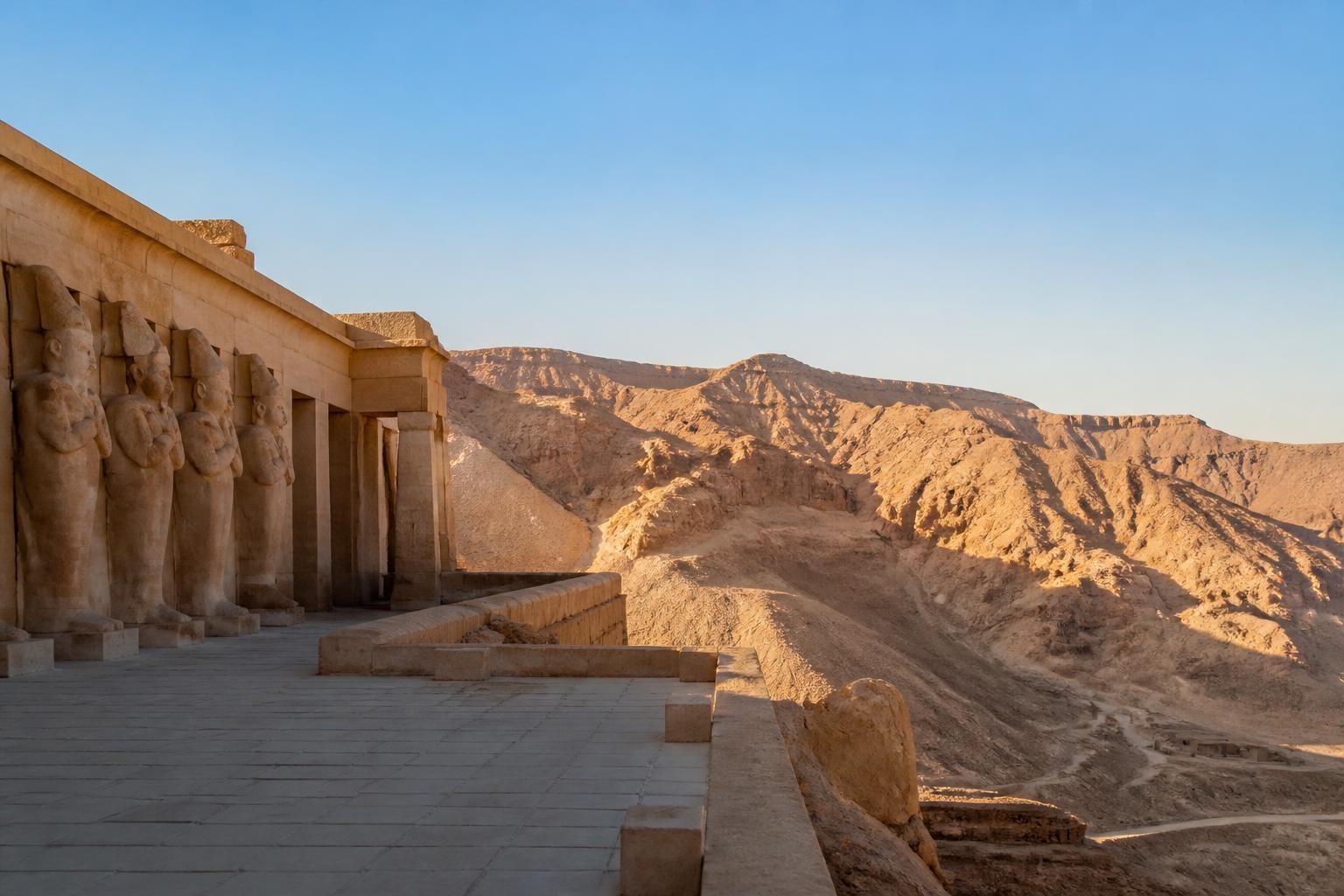
This striking terraced temple is built against the cliffs and is one of the West Bank’s most recognisable landmarks. The approach and broad terraces can be very hot, so visit early and carry water. Its design and setting make it a natural pairing with the Valley of the Kings.
Colossi of Memnon and the mortuary temples
The Colossi of Memnon are an easy roadside stop, often included at the beginning or end of a West Bank route. Medinet Habu, the mortuary temple associated with Ramesses III, is worth adding if time allows. Its reliefs, courtyards and remaining colour can make it one of the most memorable sites of the day.
Other areas, including the tombs of nobles and artisans, offer a quieter experience but require more planning. Ask your guide or driver which sites are open on the day and whether additional tickets are needed.
Getting around Luxor
The Nile divides Luxor into two practical bases. The East Bank has the main concentration of city services, while the West Bank is more rural and spread out. A bridge connects the two sides by road; local boats provide a faster-feeling crossing for some journeys, but schedules and prices should be confirmed before departure.
If you want mobile data ready before you arrive, compare our eSIM Egypt plans and choose the plan that fits your trip.
For a full West Bank sightseeing day, the simplest options are a private driver, a reputable guide with transport, or an organised tour. This lets you travel between sites without waiting for the next taxi and makes it easier to adjust the route according to opening arrangements and heat.
Walking works well around parts of the East Bank, especially between central hotels, the Corniche and Luxor Temple. Taxis are useful, but agree on the fare before setting off if the vehicle is not using a meter. Horse-drawn carriages are available in the city; if you choose one, confirm the total price, duration and destination in advance.
A bicycle can be enjoyable on quieter West Bank roads in cooler weather, but it is less suitable during peak heat or for a packed monument schedule.
Where to stay in Luxor
East Bank
The East Bank is convenient for first-time visitors who want restaurants, shops, transport and evening access to Luxor Temple. It is also practical if you are arriving or departing by train, joining a Nile cruise or planning short visits to the city’s museums and riverfront.
West Bank
The West Bank suits travellers seeking a quieter atmosphere, gardens, guesthouses and earlier access to the archaeological sites. It can feel more relaxed after a day of sightseeing, but you may need to arrange transport for evening meals or trips across the river. Check whether your accommodation can help with transfers, breakfast timing and local tours.
When choosing a hotel, prioritise air conditioning, recent guest feedback, reliable transport assistance and a location that matches your daily plans. A rooftop view is attractive, but practical details matter more after several hours in the sun.
Food, money and typical costs
Luxor has everything from simple local eateries to hotel restaurants aimed at international travellers. Look for staples such as koshari, ful, taameya, grilled meats, rice, vegetables and fresh bread. Hotel restaurants can be useful after a long West Bank day, while smaller restaurants may offer better value and a more local atmosphere.
For reliable supporting context on this point, see Ancient Thebes with its Necropolis – UNESCO World Heritage Centre.
Costs depend heavily on your hotel, transport style, guide arrangements and ticket choices. A self-guided trip using local restaurants and simple taxis can be relatively economical; a private car, licensed guide, special tomb tickets and organised excursions raise the daily budget. Ask whether quoted tour prices include entrance tickets, meals, boat crossings and tips.
Egyptian pounds are useful for smaller purchases, tips, snacks and short journeys. Keep cash in smaller notes, as drivers and small businesses may not always have change. Cards are more likely to work in established hotels and larger businesses, but do not rely on them everywhere.
Practical tips for a smoother visit
- Dress for the setting: Choose lightweight, breathable clothing that covers shoulders and knees when appropriate. Comfortable closed shoes are useful for dusty paths, uneven ground and steps.
- Carry a small day bag: Bring water, sunscreen, a hat, tissues, hand sanitiser, sunglasses and a portable battery. Large bags may be inconvenient at tombs.
- Plan around the heat: Put the most exposed sites first, take a proper lunch break and avoid treating every day as a dawn-to-evening sightseeing marathon.
- Use guides selectively: A knowledgeable guide can add historical context and simplify transport, but agree on the itinerary, price and inclusions before starting.
- Expect sales approaches: You may encounter requests for tips, invitations to shops or offers of unofficial assistance. A polite but firm “no, thank you” is usually enough.
- Respect site rules: Do not climb monuments, touch reliefs or photograph restricted areas. Rules can differ between sites and may be enforced more strictly at some tombs.
- Protect your energy: Luxor’s distances and heat are tiring. It is better to see fewer places properly than to rush through a long list.
A practical two-day itinerary
Day one: East Bank
Start at Karnak while the air is cooler and spend the morning exploring the main avenues, halls and courtyards. Take a long lunch or hotel break during the hottest part of the day. In the late afternoon, visit Luxor Temple, then walk along the Corniche or have dinner near your accommodation.
Day two: West Bank
Leave early for the Valley of the Kings. Choose the tombs included in your ticket and add a special tomb only if it fits your interests and budget. Continue to the Temple of Hatshepsut, stop at the Colossi of Memnon and add Medinet Habu or another open site if you still have time and energy. Return to your hotel for a late lunch or rest.
With a third day, consider a sunrise balloon flight, a slower West Bank route, a museum visit or time by the Nile. Always confirm flight and tour arrangements locally, since weather and operating conditions can affect plans.
Staying connected in Luxor
Mobile data is useful for navigating between hotels and archaeological sites, checking opening information, translating signs, contacting drivers and sharing your location. Coverage is generally more dependable in populated areas, but you should not assume that every archaeological site will have strong service or convenient Wi-Fi.
Before leaving for a full-day excursion, download offline maps, save your hotel address in Arabic and carry a charged power bank. If you use an eSIM, install and activate it according to the provider’s instructions before you need it, and check that your phone is unlocked and compatible. Keeping your accommodation, driver and emergency contacts available offline is sensible even when your data connection is working.
Luxor travel FAQ
Is Luxor worth visiting?
Yes. Luxor offers one of Egypt’s strongest concentrations of ancient temples and tombs, with major sites on both sides of the Nile. It is particularly worthwhile if you enjoy history, archaeology and atmospheric landscapes.
Is two days enough in Luxor?
Two full days are enough for the principal East and West Bank highlights. Three days allows a more relaxed pace and room for a museum, additional tombs or a river activity.
Should I stay on the East Bank or West Bank?
The East Bank is more convenient for restaurants, transport, cruises and evening activity. The West Bank is quieter and closer to many archaeological sites. Choose based on whether convenience or a peaceful setting matters more to you.
Do I need a guide in Luxor?
No, but a good guide can explain the history, organise transport and help you make efficient choices about the West Bank. If travelling independently, arrange transport carefully and research which tickets and sites are open.
What should I pack for Luxor sightseeing?
Pack breathable modest clothing, comfortable shoes, a hat, sunscreen, water, tissues, a portable battery and some cash in smaller notes. A light layer is useful in cooler winter mornings and evenings.