
Places to visit in Alexandria: a practical guide
Alexandria has a distinct coastal rhythm. The city’s Mediterranean sweep, tree‑lined promenades and layered history – Greek, Roman, Coptic and Islamic – reward relaxed walking and short, well‑timed visits. Unlike inland archaeological parks that need a full day to reach, many of Alexandria’s highlights sit close together, which makes it an ideal stop if you are moving between Cairo and the Red Sea or adding a coastal break to a Nile itinerary.
Key takeaways
|
Practical
|
Table of Contents
Top places to visit in Alexandria
This section describes the city’s most visited sites and what to expect at each. Instead of a long checklist, read these short notes and decide which few you want to prioritise – most travellers comfortably visit three or four in a single, well‑timed day.
For more practical detail, see our Places to visit in Alexandria: a practical guide.
For more practical detail, see our Places to visit in Marsa Alam: a practical local guide.
For more practical detail, see our Marsa Alam internet connection: what to do when resort Wi‑Fi is poor.
For more practical detail, see our Marsa Alam internet connection: what to do when resort Wi‑Fi is poor.
For neighborhood tips and insider recommendations on Alexandria attractions, consult the For additional local insights and practical travel tips, consult How to plan one or two days
Alexandria’s compact layout makes it easy to tailor a visit to how you feel and the season. Below are two practical rhythms that keep walking short and allow time for photos, cafés and travel unpredictability.
One‑day, focused rhythm. Start at the Bibliotheca Alexandrina in the morning to use the shade and cooler light. Spend an hour in the galleries, then walk or take a short taxi to Kom el‑Dikka and Pompey’s Pillar. Have lunch along the Corniche or in the Stanley area. In the afternoon head to Qaitbay Citadel for late light and sea views. This plan keeps transit between stops under 30 minutes and leaves space for a relaxed coffee break.

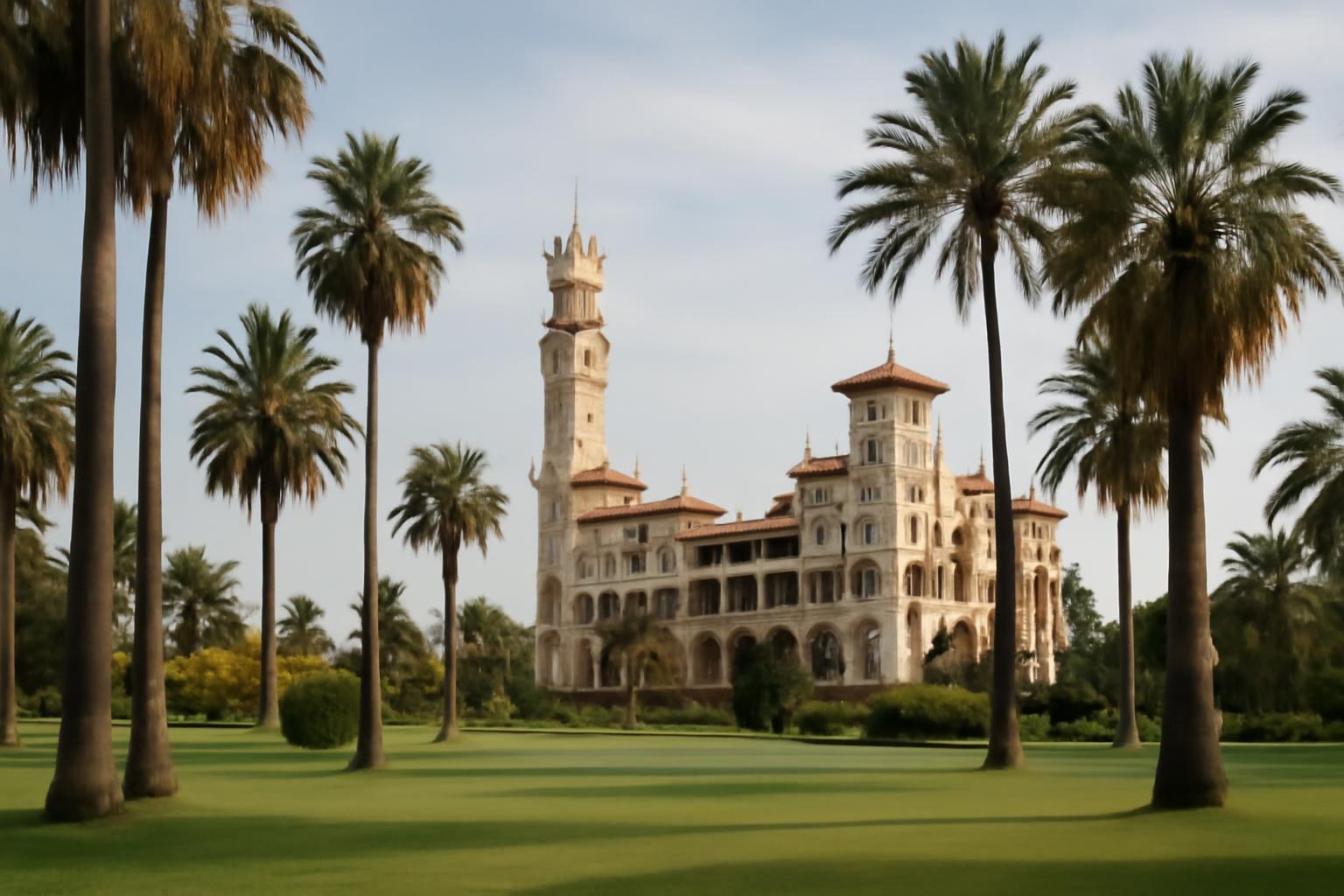
Two‑day, relaxed rhythm. Day one can follow the one‑day pattern but with more time in the library and a longer old‑town lunch. Day two is for Montaza’s gardens and the eastern beaches, a slow seaside lunch and a late‑afternoon Corniche walk. Two days let you include a small museum or a guided tour without rushing.
If you have niche interests such as archaeology or photography, allocate extra time around Kom el‑Shoqafa and the waterfront. Museum and site opening times change seasonally; if a narrow visit window matters, confirm times with your hotel or the site ahead of arrival.
Getting around the city
Short journeys are the norm in Alexandria. The historic tram remains a pleasant way to cover small distances and gives a local flavour that is absent from purely taxi‑based travel. Microbuses fill frequent gaps between tram lines; both require small change and a willingness to ask the driver the route because stops are sometimes informal.
Taxis are plentiful, and app‑based ride services operate in the city when you have mobile data. If you prefer meter fares, insist the driver uses the meter or agree a price before you leave. Walking is attractive along the Corniche and in Stanley; bring sun protection and water in summer because shade can be limited on long promenades.
For trips that join Alexandria with Cairo or the Nile, trains and private transfers are common. If you plan to arrive or depart by train check schedules in advance and allow extra time for city traffic to avoid last‑minute stress.
Where to eat and drink
Seafood dominates the city’s culinary identity; simple grilled fish, calamari and mezze plates are widely available along the waterfront and in Stanley. Local Alexandrians favour daytime fish markets and small family‑run restaurants, while hotels near Montaza offer more formal dining with views.
For an atmospheric meal, choose a small Corniche restaurant at sunset or a Stanley café for coffee and people watching. In tourist areas many restaurants accept cards, but smaller cafés and market stalls prefer cash. Also remember that some of the best neighbourhood options have no English menu; a short phrasebook or a translation app helps.
Where to stay
Choose your base by the experience you want. The Corniche and Stanley neighbourhoods offer a seaside mood and easy evening walks. If you prefer proximity to museums and the older streets choose a hotel near Raml Station or the historic centre. Montaza is quieter and greener, suitable for a resort tempo and calmer mornings by the sea.
Practical note on logistics: central hotels shorten taxi or tram times to the main sights but can be busier in the evening. If you plan to sleep in and do sunrise photography, a room facing the sea is useful; otherwise a comfortable, well‑placed midrange hotel will keep transit times low.
If you want mobile data ready before you arrive, compare our Staying connected: eSIM and mobile data
Reliable mobile data transforms short visits: maps, ride apps, restaurant searches and entrance bookings all run smoothly with a local data connection. If your phone supports eSIM, buying a local eSIM or a regional short‑term plan before you travel avoids the need to find a physical SIM at the airport. Install and test the eSIM on hotel Wi‑Fi so activation and APN checks are done before you step outside.
Practical activation notes: confirm your phone is unlocked and eSIM compatible, save the carrier settings or QR code you receive, and set the local plan as the data SIM while leaving your home SIM for calls if you need them. If you expect to work during the trip, test video conferencing in your hotel before heading to a site with variable reception.
If you want mobile data ready before you arrive, compare our eSIM Egypt plans and choose the data allowance that fits your trip.
If you want a ready option, the site’s local guide includes curated eSIM Egypt plans that cover Alexandria. For more general trip‑wide connectivity advice see the broader planning guide on how to travel in Egypt, which explains when a single national eSIM or multiple regional eSIMs make sense for multi‑stop trips.
Practical tips and safety
Alexandria’s coastal climate is moderate compared with inland summer heat, but mid‑summer can still be warm and humid. Morning and late afternoon are the most pleasant visiting windows. Bring sun protection and a refillable water bottle; drinking water in hotels is safe, and bottled water is widely sold.
Money and payments: ATMs are common in tourist areas, but it is sensible to carry small Egyptian pound notes and coins for trams, microbuses, market stalls and small cafés. Many central restaurants accept cards but do not rely on them in every neighbourhood.
Dress: Alexandria is generally relaxed. Modest clothing is appreciated in religious sites and conservative neighbourhoods; beachwear is fine on public beaches but avoid wearing it away from the sand in urban areas.
Accessibility: several archaeological sites include uneven steps, low lighting and narrow passages. If mobility is a concern, ask at your hotel for help planning a route that minimises stairs and long descents; many museums provide assistance if requested in advance.
General safety: use normal urban precautions. Keep an eye on belongings in crowded areas and on public transport. If you take a taxi, note the license number or use an app ride for a traceable record of the trip.
FAQ
- Is one day enough to see Alexandria?
- A brisk one‑day visit can cover the core highlights – Bibliotheca Alexandrina, Kom el‑Dikka/Pompey’s Pillar and Qaitbay Citadel – if you keep transit short and start early. Two days are better if you want to include Montaza, a relaxed Corniche evening and time for museums.
- Can I use an eSIM in Alexandria?
- Yes. Modern unlocked phones that support eSIM can install a local or regional eSIM to get data without a physical SIM. Confirm compatibility before you buy and install the eSIM while on hotel Wi‑Fi so it is ready when you arrive at sites.
- What is the best time of year to visit?
- Late autumn through spring (October to April) is generally pleasant for sightseeing. Summers can be hot and humid; coastal breezes help, but plan outdoor activities for early morning or late afternoon.
- Are the archaeological sites accessible by public transport?
- Yes. The tram and microbuses cover many parts of the city, with short taxi hops filling gaps. Walking between nearby Corniche sights is often the fastest and most enjoyable option.
Recommended internal reading
For wider trip planning and connectivity information, see the site’s . If you are combining Alexandria with Cairo, the city planning and transport tips in the {“@context”:” to visit in Alexandria: a practical guide”,”description”:”Explore Bibliotheca Alexandrina, Qaitbay Citadel, Kom el‑Shoqafa, Montaza Gardens and the Corniche. Realistic one‑ and two‑day plans, transport, where to eat and how to stay connected with eSIM Egypt plans.”,”author”:{“@type”:”Organization”,”name”:”esimegypt”},”publisher”:{“@type”:”Organization”,”name”:”esimegypt”},”inLanguage”:”en”,”image”:{“@type”:”ImageObject”,”url”:”